
Neck Pain
Introduction
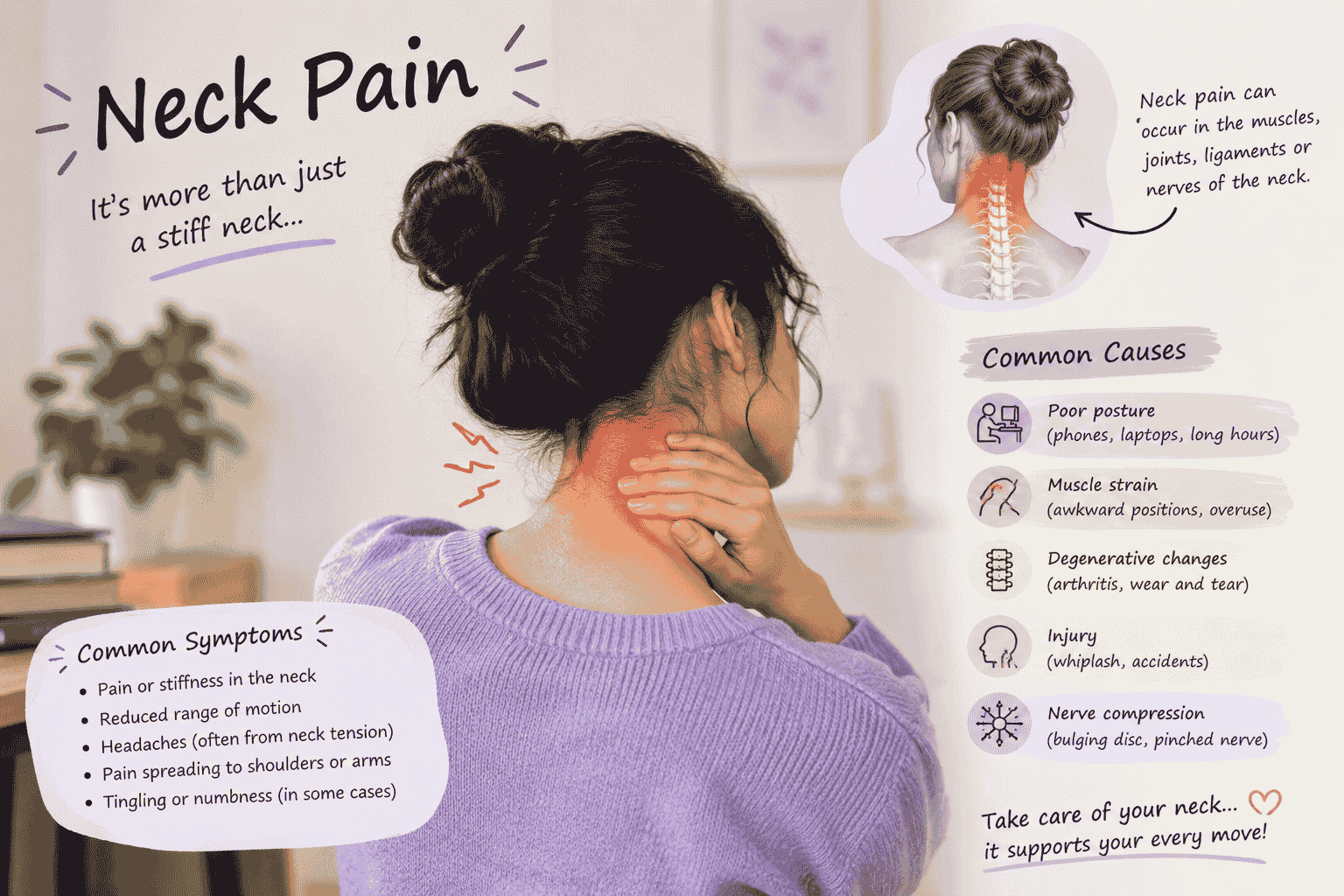
Neck pain is a common musculoskeletal problem that can affect people of all ages. It may develop gradually from poor posture and prolonged sitting, or it may occur suddenly after an injury, awkward movement, or excessive strain. The neck, also known as the cervical region, supports the head and allows a wide range of movements such as bending, turning, and looking up or down. Because the neck is involved in many daily activities, pain or stiffness in this area can interfere with work, study, sleep, exercise, and routine activities.
One of the most common causes of neck pain is prolonged poor posture, especially while using smartphones, laptops, or computers. Keeping the head in the same position for long periods can place extra stress on the muscles and joints of the cervical spine. Muscle tightness, overuse, sudden movements, and stress can also contribute to discomfort. In some cases, neck pain may be associated with age-related changes in the spine, such as disc degeneration or arthritis.
Symptoms may vary from person to person. Common symptoms include pain or stiffness in the neck, difficulty moving the head, muscle tightness, tenderness, and headaches. If a nerve is irritated or compressed, a person may also experience tingling, numbness, or weakness in the arm or hand.
Most uncomplicated cases of neck pain improve with appropriate self-care, activity modification, posture correction, and suitable exercises. Physiotherapy can play an important role in reducing pain, improving flexibility and strength, restoring normal movement, and preventing recurrence. However, persistent or severe pain, especially when associated with weakness, numbness, fever, significant injury, or other unusual symptoms, should be evaluated by a healthcare professional.
Understanding the causes, symptoms, prevention strategies, and treatment options can help individuals manage neck pain effectively and maintain healthy neck function.
Symptoms Of Neck Pain
Neck pain usually appears as:
- Pain that worsens when you keep your head still for extended periods of time, as when you’re driving or using a computer.
- Spasms and tightness of the muscles.
- Difficulty moving your head.
- Headaches.
When to see a doctor
- Is really intense or painful.
- Doesn’t improve after a few days.
- Spreads to your legs or arms.
- Includes a headache, tingling, weakness, or numbness.
Causes Of Neck Pain
Neck pain is frequently caused by:
- Muscle strain. Reading in bed, bent over a computer, or even staring down at a smartphone can strain and hurt your neck muscles. According to a new study, neck pain is more common among people who spend more than six hours a day sitting still. If you use a computer or smartphone during that period, the risk is significantly greater.
- Worn joints. Neck joints degenerate with age, just as other joints in the body.
- Neck arthritis can be painful and difficult to move.
- Nerve compression is another name for pinched nerves. Neck bone spurs or bulging disks can put pressure on surrounding nerves, resulting in pain that may radiate to your arms.
- Injuries. The soft tissues in your neck might be harmed by auto accidents, particularly when the head jerks forward and backward. We refer to this injury as whiplash.
- Diseases: Neck pain can be caused by several illnesses, including cancer, meningitis, and rheumatoid arthritis.
Risk Factors Of Neck Pain
The following factors increase your risk of developing neck pain:
- Age: After 40, neck pain becomes increasingly prevalent.
- Poor posture. Like a golf ball on a tee, your head should ideally rest on the top of your neck. However, the unbalanced load adds additional strain on the neck’s muscles, joints, and disks when you slouch, lean forward, or stare down for extended periods of time, like when using a computer or smartphone. Neck pain may eventually result from this tension.
- Performing the same motions. Pain may result from jobs or hobbies that require you to repeatedly move your neck in the same manner.
- injuries. Your neck may be injured by falls, sports injuries, and auto accidents.
- Stress. Your neck muscles may become tense and unpleasant when you’re under stress.
- Further health problems. Neck pain can also be caused by diseases including cancer, infections, or arthritis.
How is neck pain diagnosed?
- Examination
- X ray
- MRI
- CT scan
Treatment Of Neck Pain
Medical Treatment Of Neck Pain
Medical treatment for neck pain depends on its cause and severity. A healthcare professional may recommend pain-relieving medicines or anti-inflammatory medicines when appropriate. In some cases, muscle relaxants may be prescribed for significant muscle spasm.
Physiotherapy is commonly used to improve neck movement, flexibility, muscle strength, and posture. Treatment may include therapeutic exercises, stretching, manual therapy, and other techniques based on the individual’s condition.
If neck pain is caused by a serious injury, nerve compression, or another underlying condition, further investigations and specialist treatment may be required. Medicines should be taken only according to professional advice.
Physiotherapy Treatment Of Neck Pain
Exercise for Neck Pain
Side-to-side bends (lateral neck flexion)
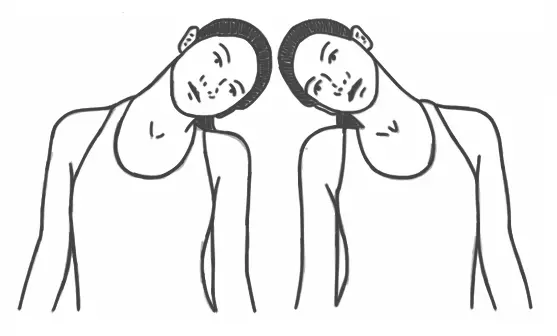
Neck pain is frequently caused by tight neck muscles that restrict the normal range of motion. Bending your neck to the left and right is a simple stretching exercise that enhances mobility.
- Step 1: Bring your right ear closer to your right shoulder by slowly bending your head to the right.
- Step 2: Feel the stretch down the left side of your neck as you hold for five to ten seconds. After that, put your neck back in a neutral position.
- Step 3: Repeat the stretch on your left side, bringing your left ear up to your left shoulder and holding it there for five to ten seconds. After that, take a neutral stance again.
- Step 4: Do this ten times on each side.
Forward neck bends (neck flexion and extension)
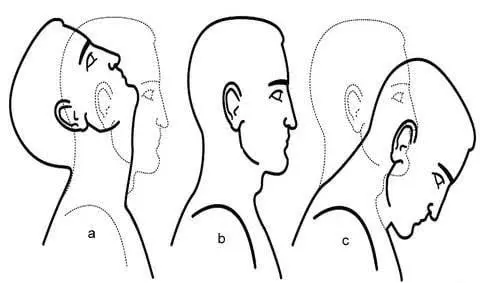
Your neck’s range of motion can be increased by performing forward and backward bends, which will facilitate head movement.
- Step 1: Flex your chin to bring it closer to your chest.
- Step 2: Feel the back of your neck lengthen as you hold for five to ten seconds. After that, put your neck back in a neutral position.
- Step 3: Extend your chin toward the ceiling by slowly bending your head backward.
- Step 4: Feel the front of your neck lengthen as you hold for five to ten seconds. After that, take a neutral stance again.
- Step 5: Perform the move ten times in each direction.
Side-to-side turns (neck rotation)
You can prevent your neck muscles from limiting your range of motion by relaxing them with this easy stretching exercise.
- Step 1: Look behind your shoulder and turn your head to the right.
- Step 2: Feel the stretch down the left side of your neck as you hold for five to ten seconds. After that, put your neck back in a neutral position.
- Step 3: Feel the strain down the right side of your neck as you repeat the stretch on your left side. After that, take a neutral stance again.
- Step 4: Perform the maneuver ten times on each side.
Chin tucks (neck retraction)
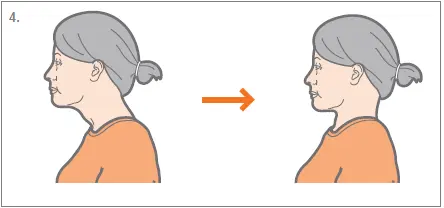
The majority of people hold their heads forward for extended periods of time. The neck muscles that support your spine may become weaker and tighter as a result. By stabilizing your neck and realigning your spine, chin tucks assist in preventing this.
- Step 1: Straighten your head and chin back while keeping an upright stance. Imagine placing your neck over your spine and pushing your head backward along a horizontal plane. However, avoid bending your head or neck in either direction.
- Step 2: After five to ten seconds of holding this position, let go.
- Step 3: Perform the maneuver twenty times.
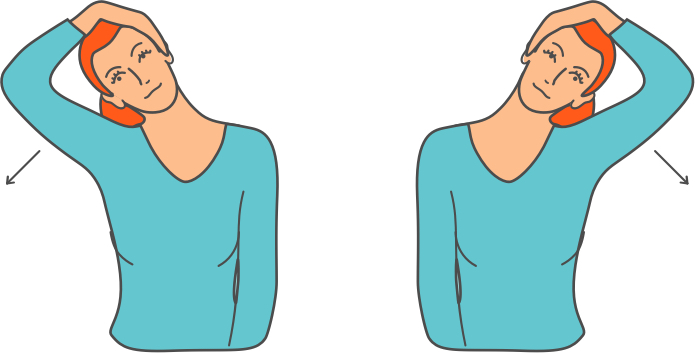
Levator scapulae stretch
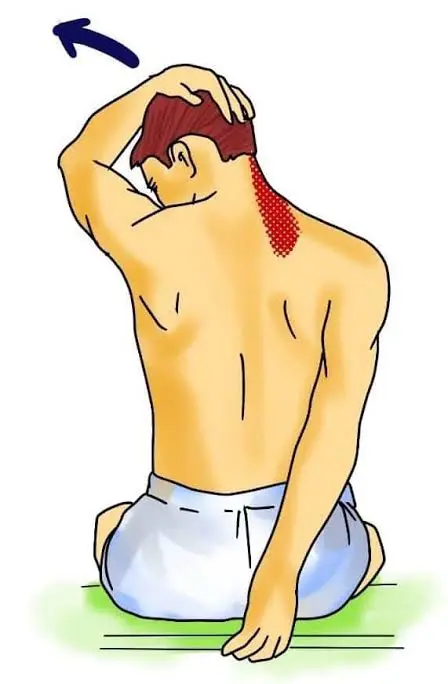
Your neck and shoulder blades are joined by the levator scapulae muscle. Stretching it increases flexibility, which may help reduce neck tension.
- Step 1: Put your right hand behind your head.
- Step 2: Make a 45-degree turn of your head to the right.
- Step 3: Feel a stretch down the left side of your neck as you gently lower your head toward your right armpit. After 30 seconds of holding, let go.
- Step 4: Continue on the left side, then unwind.
- Step 5: Perform the technique three to five times on each side.
Home Remedies for Neck Pain
Mild neck pain can often be managed with simple measures at home. Applying a warm compress may help relax tight muscles and reduce stiffness. Cold therapy may be useful during the early stage after a minor injury to help reduce pain and swelling.
Gentle neck movements and stretching can help maintain mobility, but painful or forceful movements should be avoided. Taking short breaks from prolonged sitting and changing positions regularly can also reduce strain.
Adequate sleep, hydration, and a comfortable sleeping position may support recovery. If pain continues or becomes worse, professional evaluation is recommended.
Ergonomic Care Of Neck Pain
Good ergonomics can help reduce stress on the neck during daily activities. Keep the computer or laptop screen close to eye level so that the head does not remain bent forward for long periods. Maintain a relaxed posture and support your back while sitting.
When using a smartphone, try to bring the phone closer to eye level instead of repeatedly bending the neck downward. Take regular movement breaks during studying or computer work. Use a pillow that keeps the neck in a comfortable, neutral position while sleeping. Avoid holding the phone between the shoulder and ear for prolonged periods.
Prevention Of Neck Pain
Keep your head centered above your spine to help avoid neck pain. You can safeguard your neck by making a few minor adjustments to your everyday routine. Try these suggestions:
- Maintain proper posture. Maintain a straight shoulder line across your hips whether you’re sitting or standing. Keep your ears just above your shoulders. Instead of bending your neck to look down when using a smartphone, tablet, or other small screen, hold it up at eye level.
- Take regular pauses. Get up frequently to move around and extend your shoulders and neck if you travel long distances or work at a computer.
- Organize your workstation. Your knees should be somewhat lower than your hips when you’re seated. To support your arms, use the chair’s armrests.
- Give up smoking if you do. Neck pain is more likely to occur among smokers.
- Take care when carrying bulky bags. Your neck may be strained if you carry bulky bags over one shoulder. Use a backpack that distributes weight properly or keep your bags light.
- Adopt a good sleeping position. To support your neck, use a small pillow. To assist in relaxing your spine, try resting on your back with pillows under your thighs or knees.
FAQs
How do you relieve your neck pain?
Combining heat or cold therapy, mild stretching, and over-the-counter painkillers is the most effective strategy to manage neck pain.
Methods for Quick Relief
Ice or Heat: Apply an ice pack for 48 to 72 hours to help reduce inflammation, then use heat with a heating pad or warm shower to relax tight muscles. Use no more than 15 to 20 minutes for each application.
Pain Relievers: Over-the-counter pain relievers such as ibuprofen, naproxen, or acetaminophen can help reduce pain and swelling.
Long-Term Prevention Practices
Better Your Posture: Keep your computer monitor at eye level and don’t spend long periods looking down at your phone.
Sleep on a Firm Mattress: Sleep on a firm mattress that supports your body, and use a supportive pillow that keeps your neck in a neutral, natural position.
Stay Active: Health includes regular upper body movements and avoiding long periods of stiffness.
What are some common causes of neck pain at work?
To quickly relieve and prevent neck pain at work, raise your computer monitor to eye level and take frequent movement breaks.
Fix Your Ergonomics
Monitor Height: Place the top third of your computer screen at eye level so you don’t have to look down.
Keyboard Position: Your keyboard should be close enough to allow your elbows to be at a 90-degree angle.
Chair Support: Sit with feet flat on the floor and your lower back firmly against the chair’s lumbar support.
Extend and extend
Take Breaks: Every 30 minutes, stand up and move around the room to reset your posture.
Chin Tucks – Gently pull your chin straight back to create a double chin; this helps to bring your head into line over your shoulders.
Shoulder Rolls: Roll your shoulders backward slowly several times an hour to relax tension.
What illness starts with neck pain?
Neck pain can be an early symptom of meningitis, a serious infection of the membranes surrounding the brain and spinal cord.
Common disorders and diseases
Meningitis: Serious bacterial or viral infection with a stiff and painful neck, high fever, sudden headache, nausea, and confusion.
Cervical Radiculopathy (Pinched Nerve) – A compressed nerve root in the spine that causes sharp, shooting pain from the neck down into the arm.
Cervical Spondylosis: Age-related wear and tear of the bones and discs in the neck, leading to chronic stiffness and discomfort.
Cervical Dystonia: A rare neurological disorder that causes involuntary contractions of the neck muscles that pull the head into abnormal, painful, twisted positions.
Muscle Strain: The most common non-disease cause, often from bad posture, heavy lifting, stress, or awkward sleeping positions.
What are the side effects of neck pain?
Neck pain generally does not have ” side effects “but may have other symptoms or radiating symptoms.
Commonly associated symptoms
Headaches: Tension headaches or occipital headaches can be caused by tightness in the neck muscles.s
Stiffness: Limited movement makes it hard to turn or tilt the head.
Numbness and Tingling: Nerve pressure can lead to a “pins and needles” sensation that can extend down into the arms or hands.
Severe or persistent neck pain with specific warning signs should trigger urgent medical evaluation by a provider like the Cleveland Clinic:
Nerve Compression (Myelopathy): Clumsy hands, trouble walking, balance problems.
Infection or Serious Disease:e Fever, chills, night sweats, and a stiff neck.
Which sleeping posture is ideal for people with neck pain?
Sleeping on your side or on your back helps keep your cervical spine in a neutral alignment, making both sleeping positions ideal for people with neck pain.
What pressure point relieves neck pain?
Heaven’s Pillar (BL10): About two inches from the spine, at the base of the skull. This spot relieves tension in the head and neck.
Jian Jing (GB21): Located midway between the neck and the shoulder joint on the shoulder muscle. It eases tension in the upper body.
He Gu (LI4): Found on the skin that is webbed between your thumb and forefinger. Headaches and neck pain are lessened by pressing here.
Zhong Zu (TE3): Located in the space between your pinky and ring finger knuckles.
Where don’t you massage?
Avoid rubbing any swollen or wounded areas, the middle of your spine, or the front of your neck.
References
- American Association of Neurological Surgeons. (2024, April 26). Neck pain – AANS. AANS. https://www.aans.org/patients/conditions-treatments/neck-pain/
- Department of Health & Human Services. (n.d.). Neck pain. Better Health Channel. https://www.betterhealth.vic.gov.au/health/conditionsandtreatments/neck-pain
- Free Paraphrasing tool | Paraphrase Instantly (No sign-up). (n.d.). https://www.grammarly.com/paraphrasing-tool
- Healthdirect Australia. (n.d.). Neck pain. Treatments, Causes and Related Symptoms | Healthdirect. https://www.healthdirect.gov.au/neck-pain
- Institute for Quality and Efficiency in Health Care (IQWiG). (2026, April 21). Overview: Neck pain. InformedHealth.org – NCBI Bookshelf. https://www.ncbi.nlm.nih.gov/books/NBK338120/
- Neck pain: MedlinePlus Medical Encyclopedia. (n.d.). https://www.medlineplus.gov/ency/article/003025.htm
- Neck Pain, neck pain treatment options. Mayfield Brain & Spine. (n.d.). https://mayfieldclinic.com/pe-neckpain.htm
- Professional, C. C. M. (2026, January 28). Neck pain. Cleveland Clinic. https://my.clevelandclinic.org/health/symptoms/21179-neck-pain