Stiff Neck
Introduction
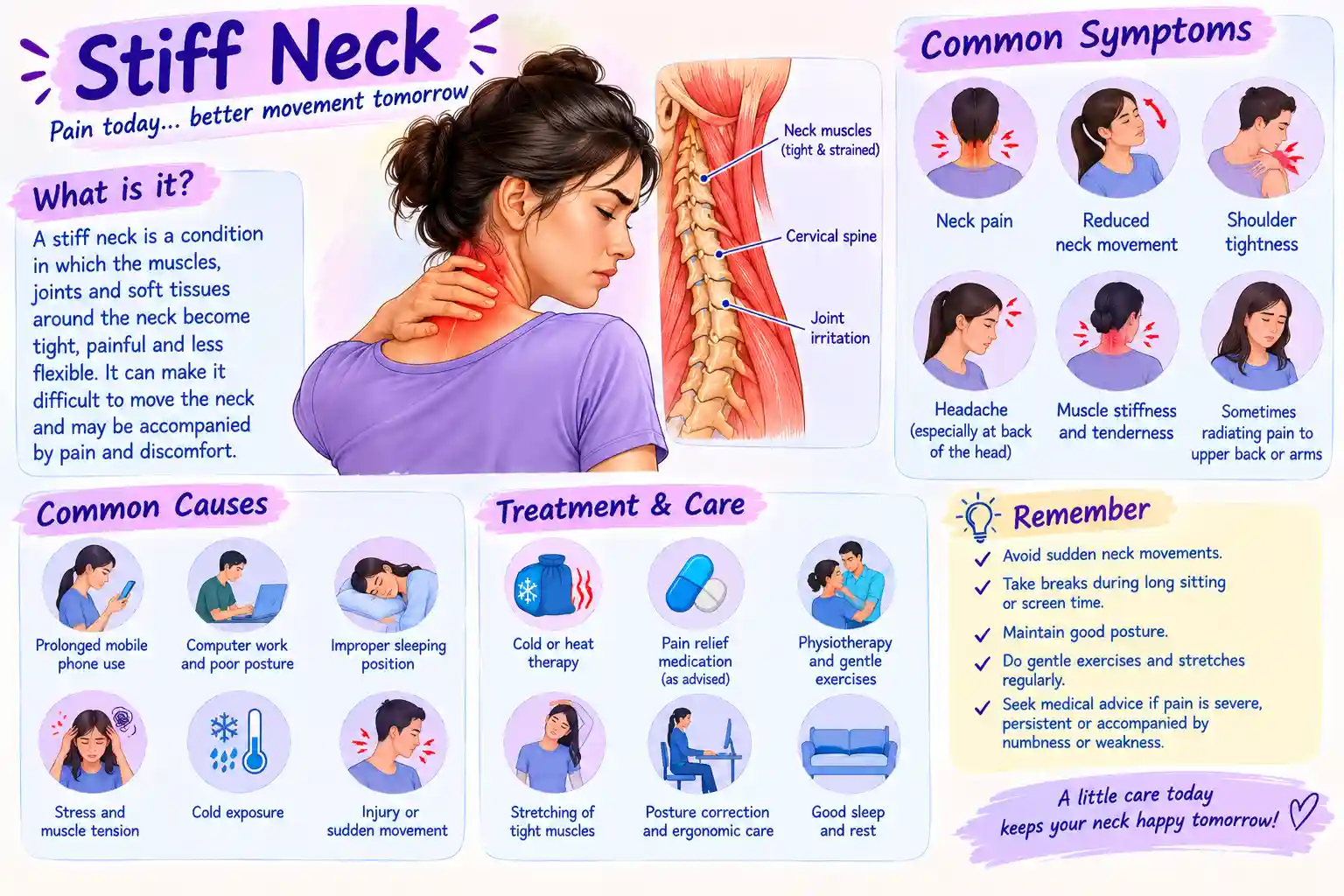
A stiff neck is a common musculoskeletal condition characterized by pain, tightness, and restricted movement of the neck. It occurs when the muscles, ligaments, joints, or other soft tissues surrounding the cervical spine become strained or irritated. A person with a stiff neck may experience difficulty turning the head, looking up or down, or performing daily activities comfortably.
A stiff neck can develop due to poor posture, prolonged use of mobile phones or computers, improper sleeping positions, muscle overuse, stress, or sudden neck movements. It may also be associated with cervical spondylosis, muscle strain, or other cervical spine disorders. Common symptoms include neck pain, muscle tenderness, reduced range of motion, shoulder tightness, and sometimes headaches.
Physiotherapy plays an important role in managing neck stiffness by improving mobility, reducing muscle tension, and restoring normal neck function. Treatment may include gentle range-of-motion exercises, stretching, strengthening exercises, postural correction, ergonomic advice, and appropriate heat or cold therapy.
Maintaining proper posture, taking regular breaks during screen use, and choosing a comfortable sleeping position can help prevent recurrence. Severe neck stiffness accompanied by fever, severe headache, or neurological symptoms requires prompt medical evaluation.
Causes of a stiff neck
When the neck muscles are overworked, overextended, or strained, stiffness typically results. This may result in mild to severe pain that makes it challenging to use the neck muscles or move the head.
The following are the most typical reasons for a stiff neck:
Minor sprains and strains
A slight injury or strain frequently causes a stiff neck, maybe as a result of:
Sleeping uncomfortably, sitting or slouching for extended periods of time, as at a desk, staring down at anything (like a cell phone), regularly getting hurt in sports, falling, or having stiff muscles as a result of stress
Whiplash
Whiplash may result from more serious neck injuries. When an automobile accident occurs, people frequently suffer from whiplash, which causes the head to abruptly move forward and backward.
Damage to the neck’s muscles, bones, ligaments, nerves, or all of these can result in whiplash. It results in neck pain and stiffness.
Additional signs of whiplash include:
- Headache
- Lightheadedness with shoulder or back pain
- A burning or prickling sensation in the neck region, memory loss, or difficulty focusing
Arthritis
Neck pain and stiffness can also be caused by cervical spondylosis, or neck arthritis, which may go away when you lie down.
When someone spends a lot of time in one position, like while driving or sitting in front of a computer, the discomfort may worsen. The following are other signs of cervical spondylosis:
Headaches
Numbness in the hands or arms, difficulty walking, issues with balance, or all of the above
An X-ray, an MRI, and a blood test are some of the tests that a doctor may use to diagnose cervical spondylosis.
Meningitis
A stiff neck can occasionally indicate meningitis, a potentially dangerous condition. An inflammation of the meninges, which envelop the brain and spinal cord, is known as meningitis.
Meningitis can be caused by a virus, bacterium, or fungus. Bacterial and fungal meningitis can be fatal, but viral meningitis can resolve on its own. Meningitis symptoms include:
A sudden fever, typically accompanied by a headache, a stiff neck, or both; nausea; vomiting; light sensitivity; confusion; irritability; or both; and difficulty waking up from sleep
If a person experiences these symptoms, they should get medical attention right away.
Symptoms of a stiff neck
Depending on the underlying reason, you can have additional symptoms in addition to neck pain and stiffness:
- Headache: Tension headaches can result from neck stiffness, especially from strained or stressed muscles.
- Shoulder or Arm discomfort: Should the stiffness in your neck be caused by a herniated disk or nerve impingement, you may feel discomfort that travels down your arms or shoulders.
- Restricted Range of Motion: You may find it difficult to look up and down or move your head side to side if you have a tight neck.
- Neck Swelling: Muscle strain or inflammation can occasionally cause noticeable swelling in the neck region.
- Nausea and Dizziness: Severe neck stiffness may also result in nausea or dizziness, particularly if it is linked to illnesses like meningitis or whiplash.
Treatments for a stiff neck
Medical Treatments for a stiff neck
Nonsteroidal anti-inflammatory medicines (NSAIDs) may be helpful if using heat, ice, or both fails to reduce stiff neck pain.
Consult your doctor if pain and symptoms are aggravated. Your doctor suggested physical therapy.
Physiotherapy Treatments for a stiff neck
Exercise for a stiff neck
Head tilt (side-to-side)
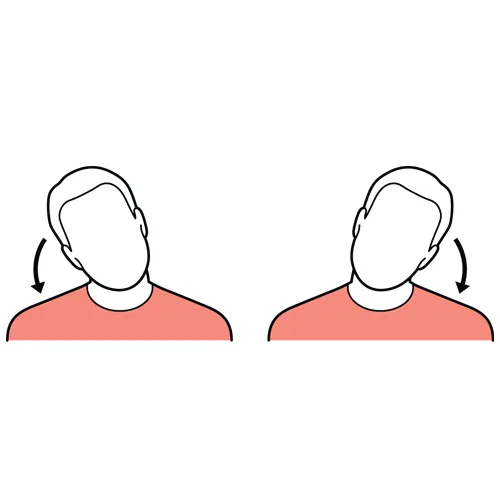
Sit comfortably on a chair with back support. Lead with your ear as you tilt your head down toward your shoulder. For five seconds, gently stretch the muscles in your neck. Repeat on the other side after bringing your head back to the center. On each side, repeat five times.
Head turn
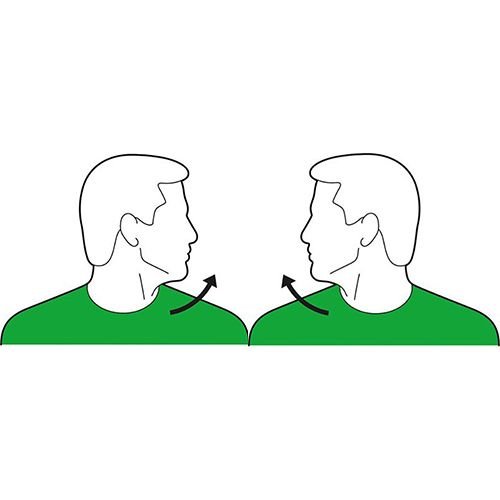
To improve your balance, it’s recommended to perform this exercise while seated. For five seconds, gently strain the muscles in your neck. Repeat on the other side after bringing your head back to the center. On each side, repeat five times.
Try doing this while lying down so that your head is supported if it is uncomfortable to perform while standing or sitting.
Chin to chest
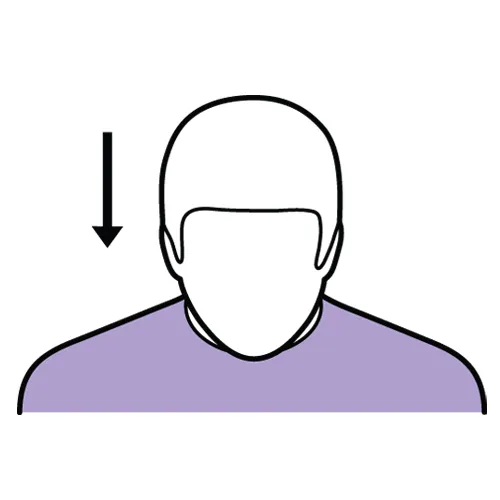
Maintain proper posture whether you sit or stand. If you struggle to balance, it’s advisable to sit down. To place your chin on your chest, slowly lower your head. For five seconds, gently strain the muscles in your neck. Five times over, repeat.
Prevention of a stiff neck
A stiff neck can be avoided by taking some of the following precautions:
- When speaking on the phone, wear an earpiece. The phone should not be held between the shoulder and the ear.
- Take regular pauses and try to keep the gadget at eye level.
- At work, use good ergonomics. This could entail making sure the arms are supported, keeping the feet flat on the ground, and maintaining the screen at eye level. Additionally, pay attention to keeping the head just above the neck without tilting it forward.
- When carrying luggage, exercise caution. Carrying a bulky briefcase or handbag can strain the neck muscles and put strain on the shoulders. Whenever feasible, use backpacks or rolling bags.
- Take pauses. Long periods of sitting or driving can cause neck strain. At least once per hour, get up, go for a stroll, and stretch.
- Invest in a premium pillow and mattress that offer the right amount of support.
- Take part in stress-relieving activities on a regular basis. Listening to calming music, having a bath, engaging in deep breathing exercises or meditation, and taking pleasure in a class or favorite hobby are a few examples.
- Consult a medical professional as advised. Discuss pain, tension, sleep quality, and general well-being with them.
- Engage in regular exercise. Muscle stiffness and tightness can be reduced by moving the body. Another natural way to reduce stress is through exercise. Walking, swimming, cycling, and yoga are examples of low-impact exercises that could be beneficial.
Complications of Untreated Stiff Neck
Untreated stiff necks can result in long-term issues like:
- Chronic Pain: Ignoring neck pain can result in ongoing discomfort and restricted movement.
- Reduced Range of Motion: Prolonged stiffness can make it difficult to turn your head or carry out daily tasks.
- Nerve Damage: If severe neck conditions such as herniated discs or nerve impingement are left untreated, they may cause irreversible nerve damage that results in numbness or weakness in the arms or legs.
FAQs
How to reduce neck stiffness?
The best way to relieve a stiff neck is to use moist heat therapy to relax tight muscles, combined with gentle stretching and mobility exercises.
Instant Home Treatments
Apply heat. Take a warm shower and direct the water at your neck and upper shoulders, or use a microwaveable heating pad for 15 to 20 minutes. Heat relaxes locked muscles and opens blood vessels. (If you think you have a fresh acute injury with swelling, use an ice pack for the first 24–48 hours instead).
Take Over-the-Counter Pain Relievers: Medicines like ibuprofen (an NSAID) or acetaminophen can help reduce pain and muscle inflammation.
Gentle Massage: To relieve tense muscles in your shoulders and upper back, gently massage the area or press a tennis ball up against a wall.
What helps a stiff neck in 60 seconds?
So, how do you relieve a stiff neck in 60 seconds? Combine a firm self-massage on the muscle knot with a gentle counter-stretch to release tension in the levator scapula or upper trapezius.
60 Second Self-Massage Stretch Technique
Find the knot: Using the hand on the same side as your stiff neck (e.g., your right hand if your neck is stiff on the right side), find the tight, achy muscle band or trigger point.
Apply pressure firmly: Press hard with your fingers on the knot. It’s supposed to be like deep, bearable pressure, not a painful stabbing pinprick.
Or a stiff neck (e.g., your right hand for a right-sided stiffness) to find the tight, achy muscle band or trigger point.
It should feel like a deep, tolerable pressure, not a sharp, painful sting. Or lean against a wall with a tennis ball between your neck and the wall.
Turn and stretch: Slowly turn your head a little in the opposite direction of the tightness while applying pressure into the knot.
Can I massage a stiff neck?
Yes, you can massage a stiff neck if stiffness is caused by simple muscle tension, strain, poor posture, or an awkward sleeping position. A gentle massage helps to relax tight muscles and improve blood flow.
Techniques for safe self-massage
Upper Trapezius Squeeze: Place 2 or 3 fingers or your palm on the top of your neck and shoulder area. Gently squeeze and release the muscle, or roll your fingers from the outside toward the base of your neck.
Levator Scapula Stroke: With two fingers, gently press just behind your ear, and then slide your fingers diagonally down the side of your neck to the top of your shoulder blade.
Trigger Point Pressure: Locate a sensitive knot or tight region, press firmly but comfortably with your thumb or finger, and hold the position for ten to twenty seconds while inhaling deeply and slowly.
What vitamin deficiency causes tight neck muscles?
Tight neck muscles and muscle spasms are most often caused by a lack of Vitamin D, Vitamin B12, or the mineral magnesium.
Big Deficiencies And How They Cause Neck Tension
Vitamin D: Deficiency levels are strongly linked with chronic musculoskeletal pain, weakness, and involuntary spasms in the neck and back. Vitamin D helps to regulate calcium and supports healthy nerve and muscle function.
Magnesium: Magnesium is a natural gatekeeper that helps muscles to relax after they have contracted. Not getting enough magnesium could leave your muscles slightly tense or with painful knots and spasms in your shoulders and neck.
Vitamin B12: B12 is necessary to keep nerves healthy. Nerve irritation, tingling, or cervical radiculopathy—a condition in which pain and tension radiate from the neck into the shoulders and arms—can result from a deficit.
Iron: Low iron results in inadequate oxygen transport to muscular tissue, which leads to exhaustion and strained, aching upper spine muscles.
References
- Berry, J. (2024a, January 19). What to know about a stiff neck. https://www.medicalnewstoday.com/articles/324070
- Burtka, A. T., & Dumain, T. (2026, May 13). Neck stretches for pain relief: How to stretch your neck. WebMD. https://www.webmd.com/fitness-exercise/fitness-neck-stretches
- Exercises for the neck. (n.d.). Arthritis UK. https://www.arthritis-uk.org/information-and-support/living-with-arthritis/health-and-wellbeing/exercising-with-arthritis/exercises-for-healthy-joints/exercises-for-the-neck/
- Meyler, Z., DO. (2018, September 14). 4 easy stretches for a stiff neck. Spine-health. https://www.spine-health.com/wellness/exercise/4-easy-stretches-stiff-neck
- Narayana Health. (n.d.). Stiff Neck: Causes, treatment, and when to see a doctor. Narayana Health. https://www.narayanahealth.org/blog/stiff-neck-causes-treatment-and-when-to-see-a-doctor
- NHS Inform. (2026, July 24). Exercises for neck muscle and joint problems | NHS Inform. NHS Inform. https://www.nhsinform.scot/illnesses-and-conditions/muscle-bone-and-joints/neck-and-back-problems-and-conditions/exercises-for-neck-problems
- Professional, C. C. M. (2026, March 19). Stiff neck. Cleveland Clinic. https://my.clevelandclinic.org/health/symptoms/24477-stiff-neck
- Staehler, R., MD. (2017, March 21). Stiff neck causes, symptoms, and treatment. Spine-health. https://www.spine-health.com/conditions/neck-pain/stiff-neck-causes-symptoms-and-treatment
- Stiff neck – Causes, Diagnosis and Treatment. (n.d.). Apollo Hospitals. https://www.apollohospitals.com/symptoms/stiff-neck
- Stiff neck exercises: Restore movement and prevent recurrence. (2026, June 25). Iron Neck. https://www.iron-neck.com/blogs/articles/stiff-neck-exercises?srsltid=AYCX9vL4PLTdcKbZXx2o6h9PIsa1Zht5i3Eb4gYGZsyljWJrn_nZJtmv
- Stiff Neck Remedies | Mass General Brigham. (n.d.). https://www.massgeneralbrigham.org/en/health-wellness/stiff-neck-remedies