Back Pain
Introduction
Back pain is one of the most common musculoskeletal conditions affecting people of different age groups and lifestyles. It describes any back pain or discomfort, and it usually affects the lower back. Back pain may develop suddenly after an injury or heavy activity, or it may gradually occur because of prolonged poor posture, muscle weakness, repetitive movements, or age-related changes in the spine. It might range from minor discomfort to severe pain that seriously affects day-to-day activities.
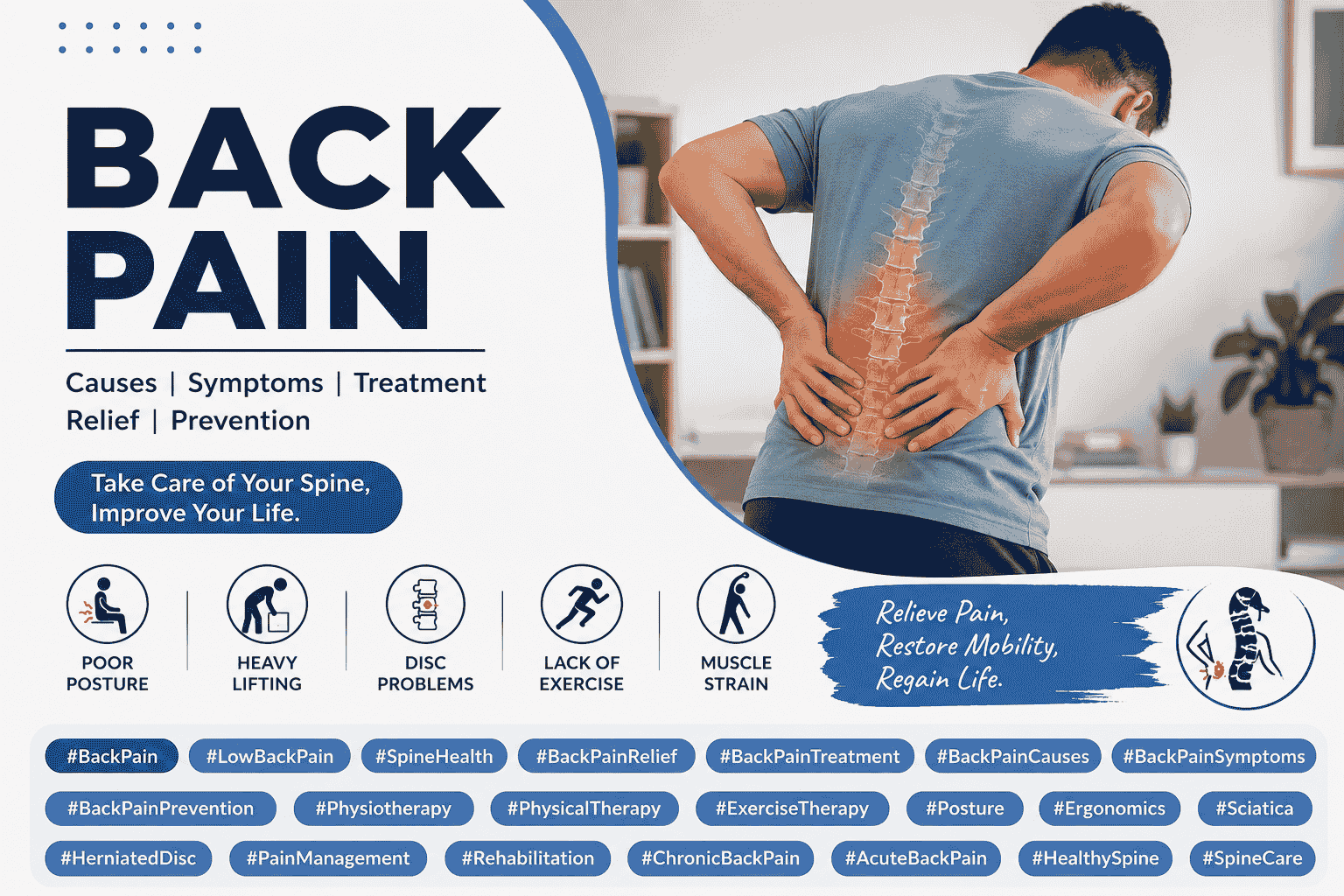
Back pain can have many causes. Common causes include muscle or ligament strain, poor posture, prolonged sitting, improper lifting techniques, lack of physical activity, obesity, spinal degeneration, intervertebral disc problems, and injuries. Conditions such as herniated discs, spinal stenosis, spondylolisthesis, osteoporosis, and sciatica may also contribute to back pain. In some cases, back pain can be associated with underlying medical conditions such as infection, inflammatory disorders, or tumors.
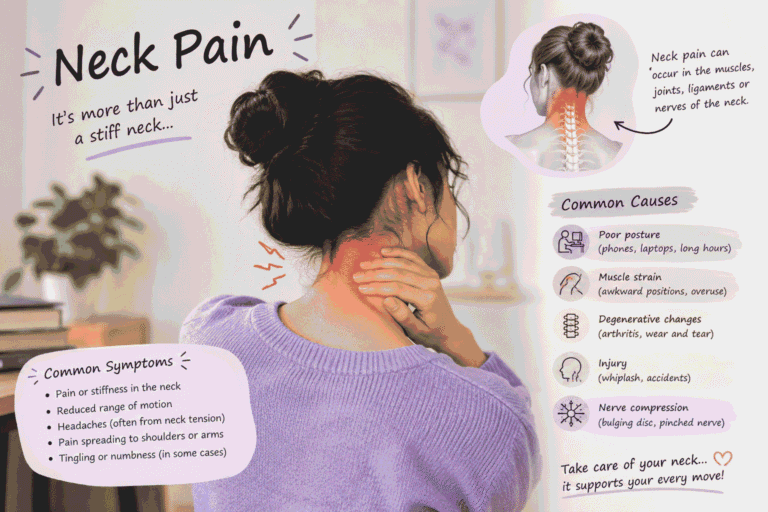
Patients may experience aching, stiffness, muscle spasm, restricted movement, or sharp pain. In some cases, pain may radiate from the lower back into the buttocks or legs and may be accompanied by numbness or tingling.
Although many cases of back pain improve with appropriate conservative management, persistent or severe symptoms should be properly assessed. Physiotherapy is an important component of back pain management. Treatment may include patient education, posture correction, therapeutic exercises, stretching, strengthening, manual therapy, and other appropriate physical modalities. Regular physical activity and maintaining correct posture can also help prevent recurrence.
Understanding the causes, symptoms, risk factors, and appropriate management of back pain is essential for maintaining spinal health, improving mobility, reducing disability, and helping individuals return safely to their normal daily activities.
What does back pain feel like?
Mention all types of pain below
- Burning
- Aching
- Dull
- Sharp
- Shooting
- Stabbing
- Throbbing
Additionally, you might encounter:
- Stiffness or rigidity of the muscles
- Weakness, numbness, or tingling
What are the types of back pain?
Back pain: acute vs chronic
- Acute back pain is pain having less than 3 weeks.
- Chronic back pain is pain lasting more than 3 weeks to months.
What are the causes of back pain?
Back pain can be anything from a burning, stabbing, or shooting sensation to muscle soreness. Additionally, the pain may travel down a leg. Pain can be worsened by bending, twisting, lifting, standing, or walking.
- Strain on a muscle or ligament. Back muscles and spinal ligaments can be strained by heavy lifting done repeatedly or by an abrupt, uncomfortable movement. Persistent back strain might result in excruciating muscle spasms for those with poor physical health.
- Burst or bulging disks. In the spine, disks serve as cushions between the bones. A disk’s soft material may burst or swell, pressing on a nerve. Spine X-rays, CT scans, and MRIs performed for various purposes frequently reveal disk disease.
- Spinal stenosis is a condition in which the space surrounding the spinal cord narrows due to arthritis in the spine.
- osteoporosis. If the bones become brittle and porous, the vertebrae in the spine may break painfully.
- Axial spondyloarthritis is another name for ankylosing spondylitis. Some of the spine’s bones might connect as a result of this inflammatory condition. The spine becomes less flexible as a result.
Sprains and strains are the most common causes of back pain. These wounds could appear gradually or all at once (that “ouch” moment).
They may arise from a single incident (like carrying a big object) or from prolonged, repetitive activities (like constantly bending down at work).
Sprains are injuries to the ligaments. When you experience a sprain or strain, you may notice:
Spasms in the muscles
Pain that worsens with movement
Reduced range of motion, making it difficult to walk, bend, or stand normally.
Risk factors
Back pain can strike anyone, even kids and teenagers.
- Age. As people age, back pain becomes increasingly prevalent, beginning around age 30 or 40.
- Not exercising. Back pain may be caused by weak, underutilized muscles in the abdomen and back.
- Obesity (Overweight). Being overweight puts additional strain on the back.
- Illnesses. Back pain may be exacerbated by certain forms of cancer and arthritis.
- Incorrect lifting techniques. Back pain might result from using the back rather than the legs.
- Psychological circumstances. Back pain seems to be more common among people who are prone to anxiety and depression. Back pain may be exacerbated by tense muscles caused by stress.
- Smoking. Back pain is more common in smokers. This could happen because coughing caused by smoking can result in herniated discs. Additionally, smoking raises the risk of osteoporosis and reduces blood flow to the spine.
When to consult a physician
With at-home therapy and self-care, the majority of back pain gradually gets better, frequently in a matter of weeks.
Lasts more than a few weeks.
Extends down one or both legs, particularly if it is below the knee.
Causes tingling, numbness, or weakness in one or
Is followed by unexplained weight loss.
Although it is Uncommon, get help right away if you have back pain that:
Causes new bladder or bowel issues.
Is accompanied by a fever.
Follows an injury such as a fall or a knock to the back.
Diagnosing the cause of back pain
- EMG, or electromyography
- Blood examinations
- X-ray
- MRI
Treatment of Back Pain
Treatment depends on the cause, severity, duration, and individual needs of the person. Most uncomplicated back pain improves with conservative treatment.
Medical Treatment
- Pain-relieving medicines: A doctor may recommend suitable analgesics or anti-inflammatory medicines when required.
- Physiotherapy: Exercise-based physiotherapy can help improve spinal mobility, muscle strength, flexibility, posture, and functional activities.
- Heat or cold therapy: Heat may help relax tight muscles, while cold application can be useful during an acute painful episode.
- Activity modification: Avoid activities that significantly increase pain, but prolonged bed rest should generally be avoided.
- Manual therapy: Selected patients may benefit from techniques such as mobilization or other hands-on treatment performed by a trained professional.
- Treatment of the underlying cause: If back pain is related to conditions such as nerve compression, infection, fracture, or another medical problem, specific medical or surgical treatment may be necessary.
Physiotherapy Treatment
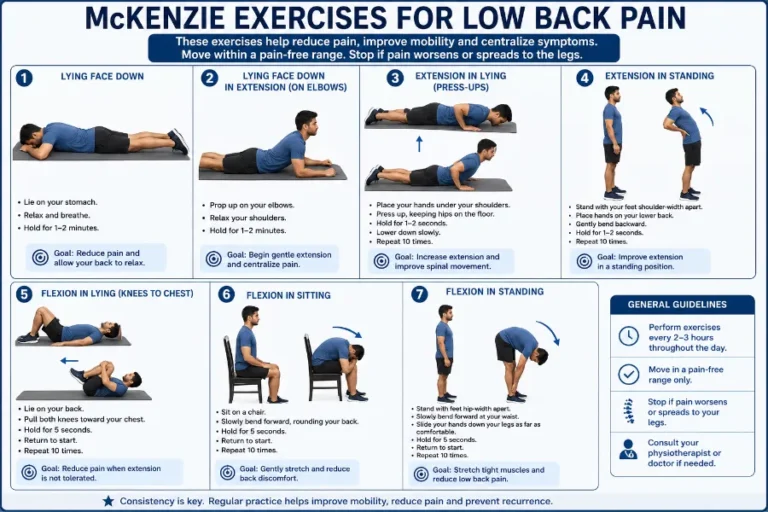
Knee-to-chest stretch
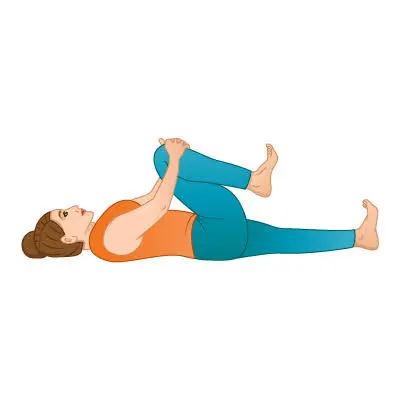
Lie down on your back on a firm surface. Keep your right knee toward your chest. Hold for five seconds. Do the same thing with your left leg. Return to where you were. Next, do the same with both legs simultaneously. Do each stretch two or three times. If at all possible, complete the entire routine once in the morning and once in the evening.
Lower back rotational stretch
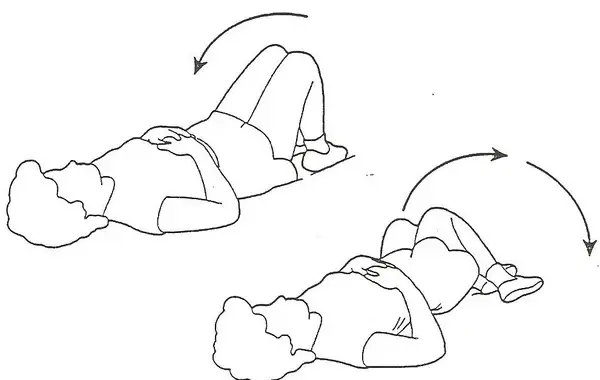
Lie on your back and bend your knees. Roll your bent knees carefully to one side while maintaining a firm grip on the floor. Hold for five to ten seconds. Return to the starting position slowly. On the opposite side, repeat. Do each stretch two or three times. If at all possible, complete the entire routine once in the morning and once in the evening.
Bridge exercise
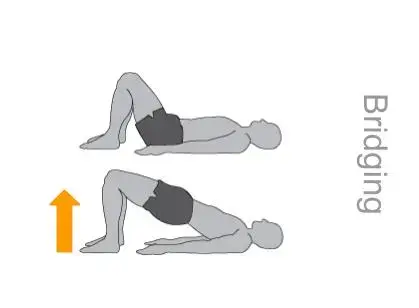
Lie on your back and bend your knees. Tighten your buttocks and tummy muscles while keeping your head and shoulders loose on the ground. Try to maintain that position long enough to inhale deeply three times. Return to the beginning and do it again. Start with five repetitions per day and gradually increase to thirty.
Cat Cow stretch
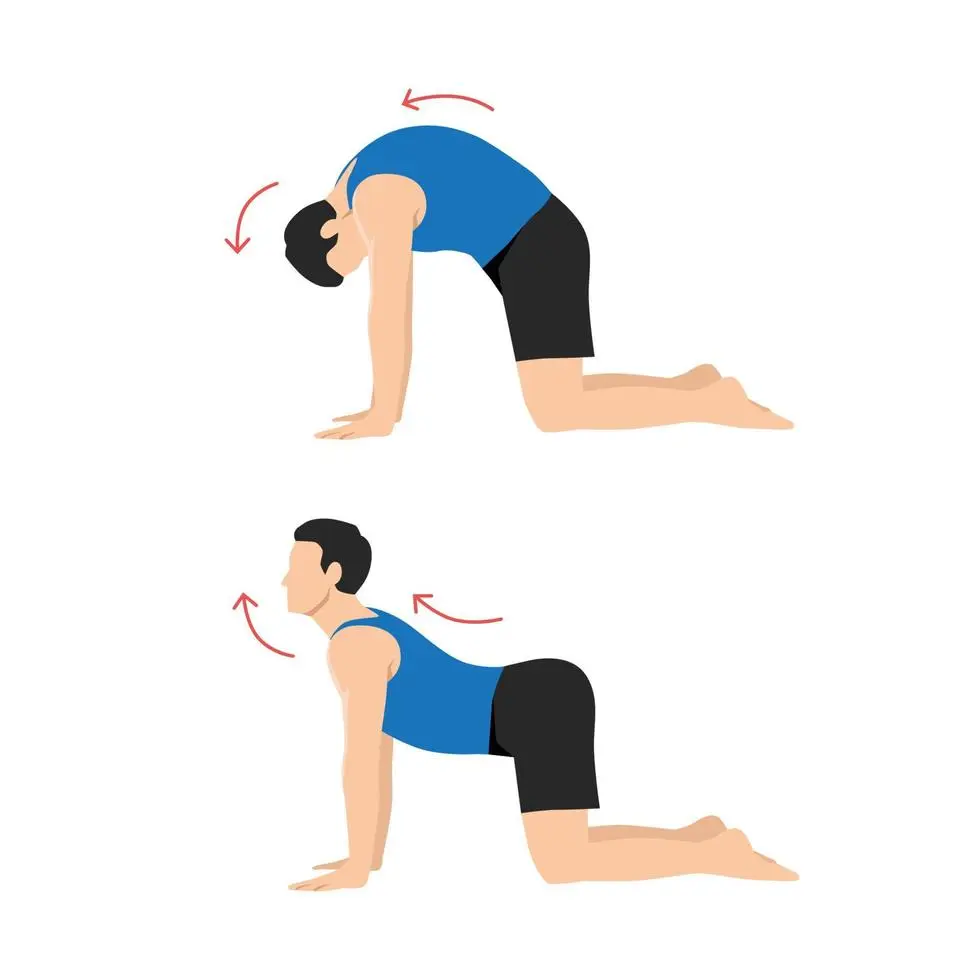
Get down on your hands and knees. As you lower your head, slowly arch your back as though you’re drawing your tummy toward the ceiling. Then, as you raise your head, gradually allow your tummy and back to drop toward the ground. Return to the beginning. Twice a day, repeat three to five times.
Seated lower back rotational stretch
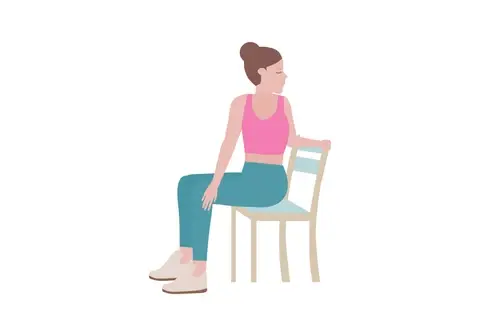
Sit on the chair. Twist and extend to the side while bracing your left elbow against the outside of your right knee. Hold for ten seconds. On the other side, repeat.
Home Remedies
- Continue gentle daily activities as tolerated rather than remaining in bed for long periods.
- Apply a warm compress for around 15–20 minutes to help reduce muscle stiffness.
- Gentle stretching may help maintain flexibility.
- Take short walks and gradually increase activity according to comfort.
- Maintain adequate hydration and a balanced diet.
- Avoid suddenly lifting heavy objects or performing movements that worsen symptoms.
Ergonomic Care
- Sit with your back supported and feet comfortably placed on the floor.
- Keep the computer or laptop screen close to eye level.
- Avoid sitting continuously for long periods; take regular movement breaks.
- When lifting an object, bend your hips and knees and keep the load close to your body.
- Avoid twisting your spine while lifting.
- Use a properly adjusted chair and workstation.
- Maintain a comfortable posture while standing, working, driving, and using mobile devices.
Prevention
Back pain can often be reduced by maintaining healthy movement habits.
- Perform regular strengthening and flexibility exercises for the core, back, and lower limbs.
- Maintain a healthy body weight.
- Stay physically active and avoid prolonged inactivity.
- Learn and use correct lifting techniques.
- Maintain good posture during work and household activities.
- Increase exercise intensity gradually instead of making sudden changes.
- Take regular breaks during prolonged sitting or standing.
- Address recurring or persistent back pain early with appropriate professional advice.
How can I find back pain relief?
Therapies
- Physical Therapy
- Osteopathic treatment
Everyone wishes they could get rid of back pain right away. However, the majority of back pain-causing injuries and ailments need time to recover. There isn’t a simple, quick solution. To help you feel more at ease, your healthcare physician might suggest the following home remedies:
- Using a heating pad to reduce stiffness and discomfort
- Applying an ice pack to reduce discomfort and edema
- Making deliberate movements (certain yoga poses paired with deep breathing methods are among the workouts and stretches for back pain)
- If your back hurts, your gut may advise you to lie down and rest. However, modest movement can often be more beneficial than bed rest. Depending on what’s causing your back pain, yes.
When to go to the emergency room
- You have severe back pain.
- After a week, your backache doesn’t get better.
- You have experienced abrupt or substantial weight loss in addition to back pain.
- When you cough, you have back and chest pain, which may indicate an illness such as bronchitis or pneumonia.
FAQs
What are the Causes of back pain?
1. Sprains of muscles and ligaments
What it is: Sudden awkward movements or lifting something heavy can stretch or tear back muscles and spinal ligaments.
Common triggers: Lifting heavy things with your back instead of your legs, twisting suddenly, or falling hard.
2. Herniated or Bulging Disk
What it is: The spongy cushions (discs) between the bones in your spine can bulge or rupture.
Common triggers: A herniated disk in the back can press against the surrounding spinal nerves, causing sharp pain to radiate down the leg (also known as sciatica).
3. Discogenic (Degenerative Disk) Disease
What it is: Over time, natural wear and tear causes the discs in your spine to dry out and shrink, losing their flexibility and ability to cushion.
Common factors include aging and daily stress on the spine, which can cause stiffness or persistent pain by reducing the space between vertebrae.
What is the best back pain?
A combination of gentle movement, over-the-counter anti-inflammatory drugs, and good posture is the best way to deal with back pain.
Fast Home Remedies: Ice or Heat: Apply a cold pack for the first 48 hours to help reduce swelling. After that, use a heating pad to relax tight muscles.
Take Pain Relievers: Ibuprofen or naproxen (NSAIDs) can help relieve pain and swelling.
Keep Moving: No strict bed rest. Gentle walks are short enough to keep your back muscles from stiffening.
Tips for Stretching and Exercise
Knee-to-chest: Lie on your back, bring one knee up to your chest, hold for 15 to 30 seconds, and switch sides.
Cat-Cow Pose: Get down on your hands and knees, slowly arch your back up to the ceiling, then let it dip down toward the floor.
Child’s Pose: Reach your arms forward on the floor, sit back on your heels, and maintain a little stretch for ten seconds.
Avoiding Further Stress
Adjust Your Posture: With your feet level on the ground and a little rolled towel behind your lower back, take a seat on a supporting chair.
Lift safely by keeping heavy objects close to your body and bending at the knees rather than the waist.
How to reduce back pain?
Simple hot and cold therapy, gentle stretches, and over-the-counter pain relievers can help reduce back pain at home.
Ways To Get Fast Relief
Use Ice and Heat: During the first 48 hours, ice and heat will help reduce swelling and loosen tight muscles.
Try gentle stretches. Do safe stretches like the knee-to-chest stretch or the cat stretch to loosen up tight muscles.
Take over-the-counter medicine: Use anti-inflammatory medicine like ibuprofen or pain medicine like acetaminophen to relieve the soreness.
Limit bed rest. Don’t stay in bed more than one or two days, or your muscles will get stiff.
Habits for the Long Relief
Do low-impact core exercises to build core strength and support your spine.
Correct your posture: Sit up straight,t and every half hour, ur get up and walk.
Lift with your legs.gs Keep heavy objects close to your body; bend your knees when lifting.
How painful is back pain?
Back pain can be a minor, temporary annoyance or a serious medical emergency depending on the cause and symptoms. Most back pain is mechanical and gets better within days or weeks with rest and simple care.
When Back Pain Is Mild or Common
Muscle strain: Often caused by heavy lifting or a quick twist.
Dull ache: Usually better with gentle movement and OTC pain relievers.
Recovery: Most people recover quickly and do not need surgery or major treatments.
Red Flag Symptoms (When to Take It Seriously)
Some signs indicate that your back pain is a sign of a dangerous nerve problem, infection, or injury. Get medical help right away if you have:
Back pain can be a minor, temporary annoyance or a serious medical emergency depending on the cause and symptoms. Most back pain is mechanical and gets better within days or weeks with rest and simple care.
When Back Pain Is Mild or Common
Muscle strain: Often caused by heavy lifting or a quick twist.
Dull ache: Usually better with gentle movement and OTC pain relievers.
Recovery: Most people recover quickly and do not need surgery or major treatments.
Red Flag Symptoms (When to Take It Seriously)
Some signs indicate that your back pain is a sign of a dangerous nerve problem, infection, or injury.
References
- American Association of Neurological Surgeons. (2024, July 9). Low back pain – AANS. AANS. https://www.aans.org/patients/conditions-treatments/low-back-pain/
- Harvard Health. (2023, July 7). Home remedies for low back pain. https://www.health.harvard.edu/pain/home-remedies-for-low-back-pain
- Margetis, K., Singh, C., Casiano, V. E., & Varacallo, M. A. (2025, December 13). Low back pain: evaluation and management. StatPearls – NCBI Bookshelf. https://www.ncbi.nlm.nih.gov/books/NBK538173/
- McIntosh, J. (2025, January 31). What is causing my back pain, and how can I remedy it? https://www.medicalnewstoday.com/articles/172943
- National Library of Medicine. (n.d.). Back pain. https://medlineplus.gov/backpain.html
- Professional, C. C. M. (2026, June 12). Back pain. Cleveland Clinic. https://my.clevelandclinic.org/health/symptoms/back-pain
- Ways to relieve back pain. (n.d.). WebMD. https://www.webmd.com/pain-management/ss/slideshow-relieving-back-pain