Lumbar Spondylosis
Introduction
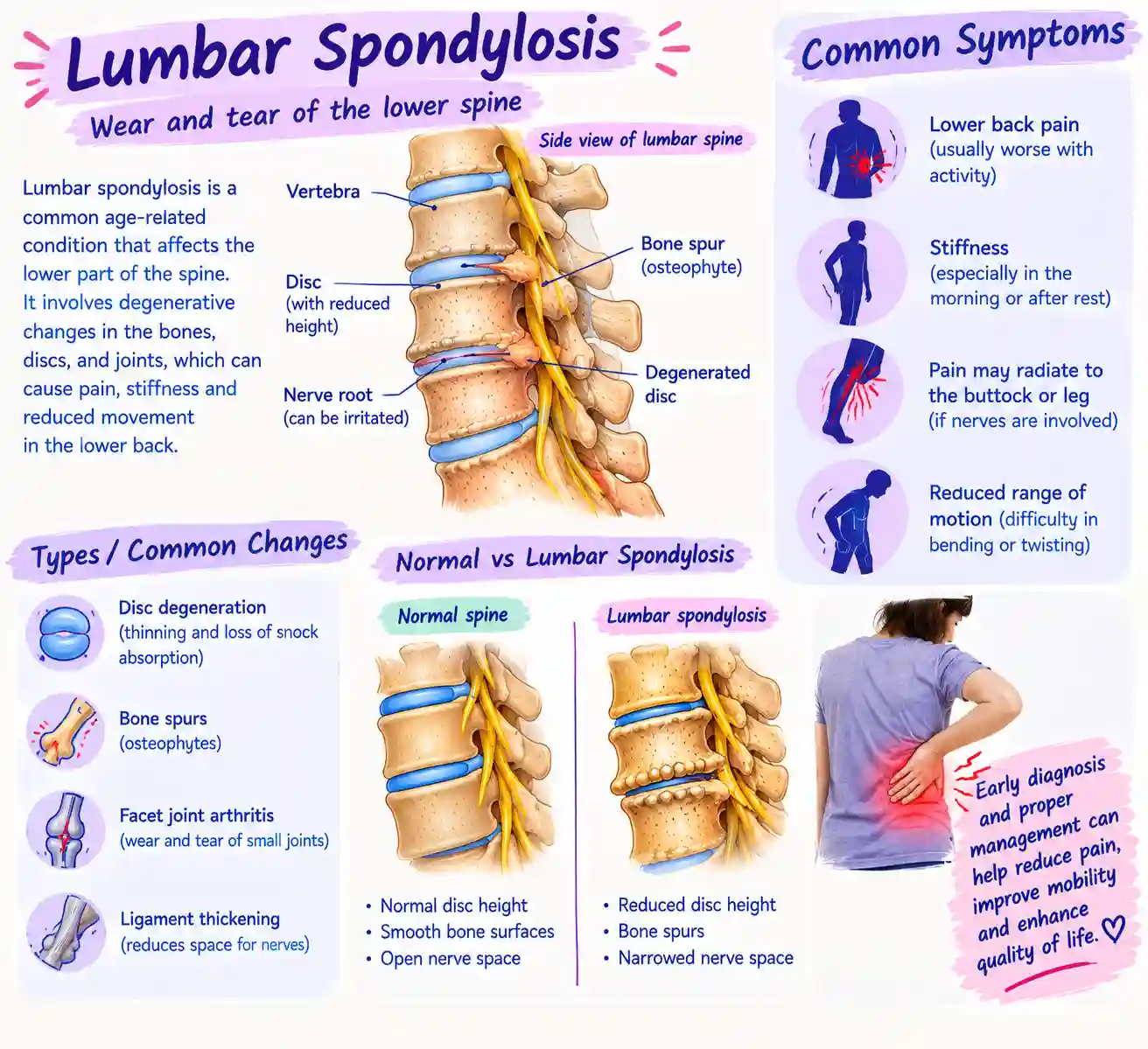
Lumbar spondylosis is a degenerative condition affecting the structures of the lower spine, particularly the lumbar vertebrae, intervertebral discs, facet joints, and surrounding tissues.
It commonly develops due to age-related wear and tear, prolonged poor posture, repetitive spinal stress, obesity, previous injuries, or physically demanding activities. Degeneration of the spinal structures may lead to stiffness, inflammation, and reduced mobility of the lower back.
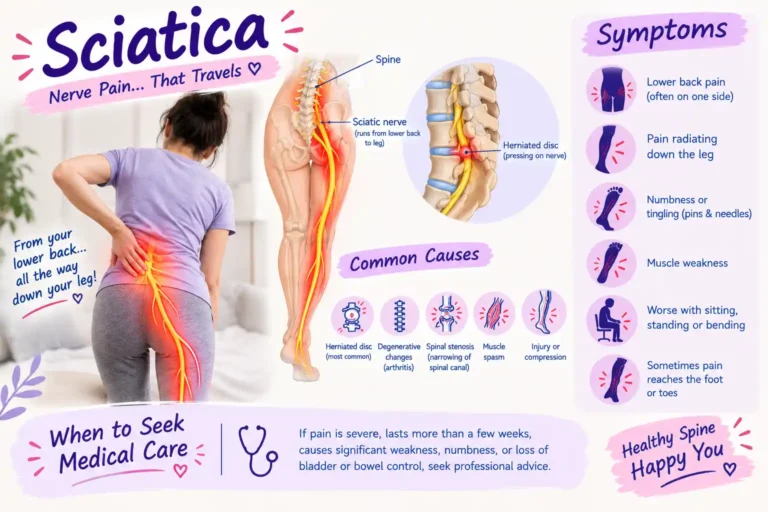
Patients may experience low back pain, morning stiffness, difficulty bending or prolonged standing, and discomfort that may sometimes extend toward the buttocks or legs. In advanced cases, nerve compression can cause radiating pain, tingling, numbness, or weakness in the lower limbs.
The severity of symptoms varies among individuals and may increase with prolonged sitting, standing, or certain movements. Early recognition, appropriate physiotherapy, regular physical activity, posture correction, and lifestyle modifications can help manage symptoms and maintain spinal function.
What are the symptoms of Lumbar Spondylolysis?
The most prevalent symptom of spondylolysis is lower back pain. Typically, the pain
- Extends (radiates) into the muscles of your thighs and buttocks from your lower back.
- Feels like a strained muscle in your lower back.
- Gets worse when you exercise and gets better when you relax or don’t do as much.
- Some spondylolysis sufferers never show any symptoms. These individuals might not find out they have it until they undergo an imaging exam for a different purpose.
What causes Lumbar Spondylolysis?
Spondylolysis is caused by damage to the pars interarticularis, a portion of your vertebrae.
The thin bone segments called pars interarticularis connect your vertebrae directly above and below one another to create a functional unit. Your spine can flex and move thanks to these connections. Your pars interarticularis can be cracked by anything that harms it. These fractures are referred to by providers as pars fractures.
The following are the most frequent reasons for pars fractures:
- Overuse: Your vertebrae deteriorate as a result of repetitive activities that strain your low back. A pars fracture may result from the accumulation of this injury over time. Your vertebrae can be harmed by physically demanding employment, contact sports, and recurrent low back injuries.
- Growth spurts: When children and teenagers have a growth spurt, which is a time when their bodies are rapidly altering and growing, they may develop spondylolysis.
- Genetics: Some people have thinner vertebrae from birth. This may increase your risk of suffering a pars fracture.
Lumbar Spondylolysis risk factors
Spondylolysis can affect anyone. A pars fracture is more common in several demographics, such as:
- Athletes who participate in contact sports, such as weightlifting, football, or gymnastics.
- Children and teenagers whose bodies are still evolving and growing quickly.
- Indigenous Alaskans. According to studies, Native Alaskans are more likely to have thinner vertebrae from birth.
Diagnosis of Lumbar Spondylolysis
A medical professional will use imaging studies and a physical examination to diagnose spondylolysis. Tell your healthcare professional when you first had back pain and what you were doing at the time.
Which tests are used to make the diagnosis of spondylolysis?
Imaging tests will be used by your healthcare professional to capture images of your vertebrae and the surrounding tissue, such as:
- Radiographs.
- MRI stands for magnetic resonance imaging.
- CT (computed tomography) scans.
Treatment for Lumbar Spondylolysis
Medical Treatment for Lumbar Spondylolysis
In order to give the pars fracture time to heal, your doctor will treat your pain and other symptoms. You may require treatment for a few weeks to many months, depending on which vertebrae are impacted and the severity of the fissures.
The following are the most popular therapies for Lumbar Spondylolysis:
- Rest: Your spine is less stressed when you take a vacation from sports and other strenuous physical activities.
- Medication: NSAIDs available over-the-counter can aid in the reduction of pain and inflammation. Consult your doctor before taking over-the-counter painkillers for longer than ten days in a row.
- Corticosteroids: These medications lessen inflammation. You may be prescribed an oral drug by your physician. To help with pain relief, they may also directly inject medication into the afflicted location.
- Bracing: To stabilize your spine while the pars fracture heals, your doctor may advise you to wear a back brace.
Physiotherapy Treatment of Lumbar Spondylosis
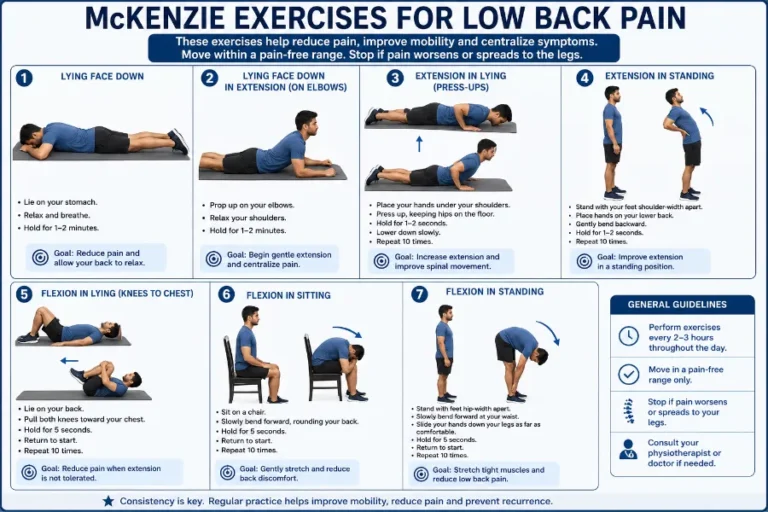
Exercise for Lumbar Spondylosis
Pelvic Tilt
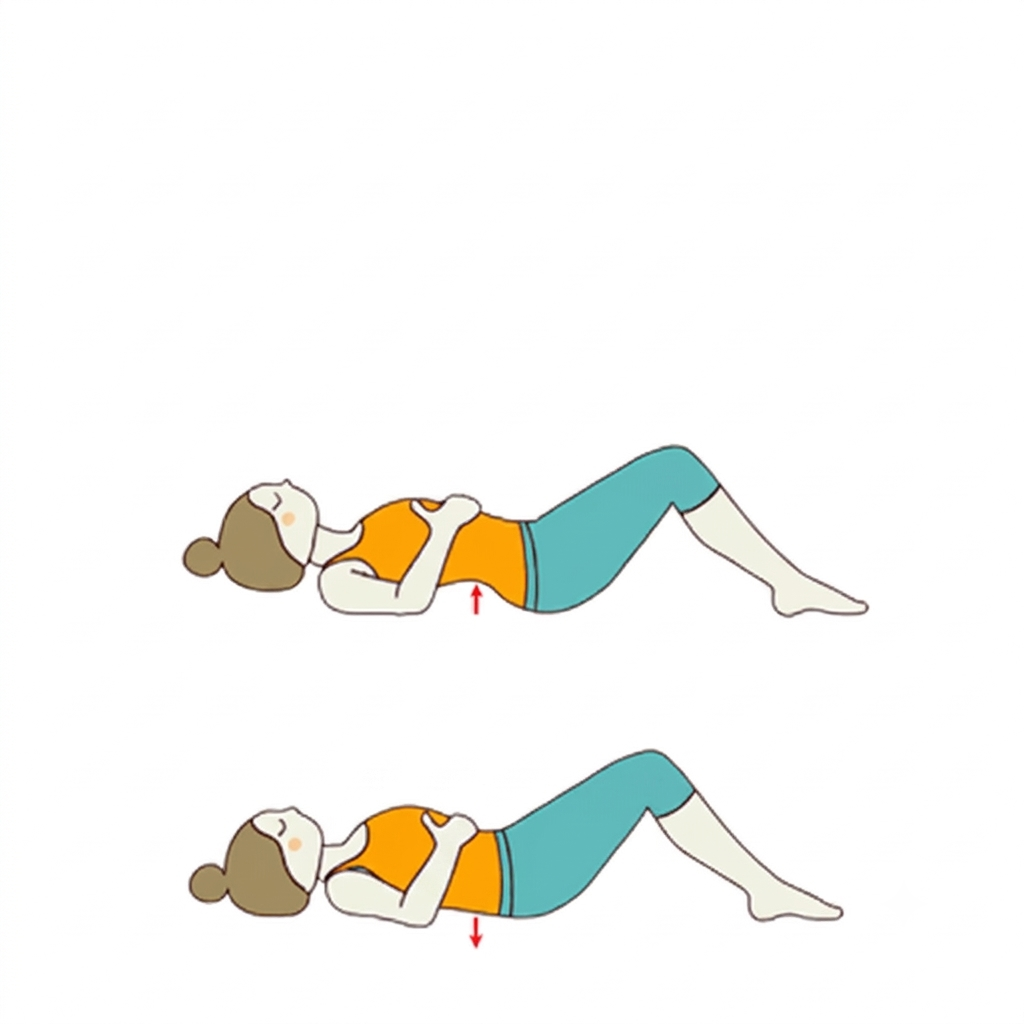
- Lie on the floor or mat and bend your knees.
- Tighten the muscles in your abdomen.
- Tilt your pelvis to gently press your lower back into the floor.
- Maintain the posture for five to ten seconds.
- Slowly unwind.
- Ten to fifteen repetitions
Advantages
- Makes the core muscles active.
- Enhances pelvic control
- Lessens stiffness in the lower back
- Maintains the alignment of the spine
Knee-to-Chest Stretch
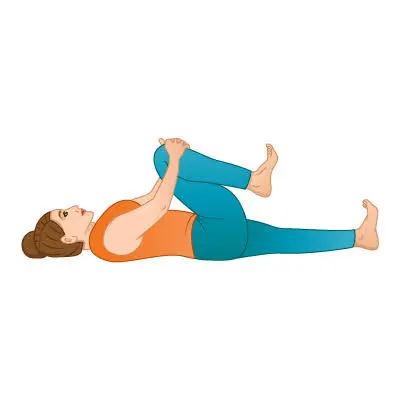
- Lie on your back in a comfortable position.
- Bring one leg slowly up to your chest.
- Hold your hands directly below your knee or behind your leg.
- Hold the stretch for 20 to 30 seconds.
- Continue with the other leg.
- If it seems comfortable, both knees can be pulled closer to the chest for a deeper stretch.
- Three to five times on each side
Advantages
- Relieves tension in the lower back
- Increases adaptability
- Lessens stiffness in the muscles
- Encourages mild spinal motion
Cat-Cow Stretch
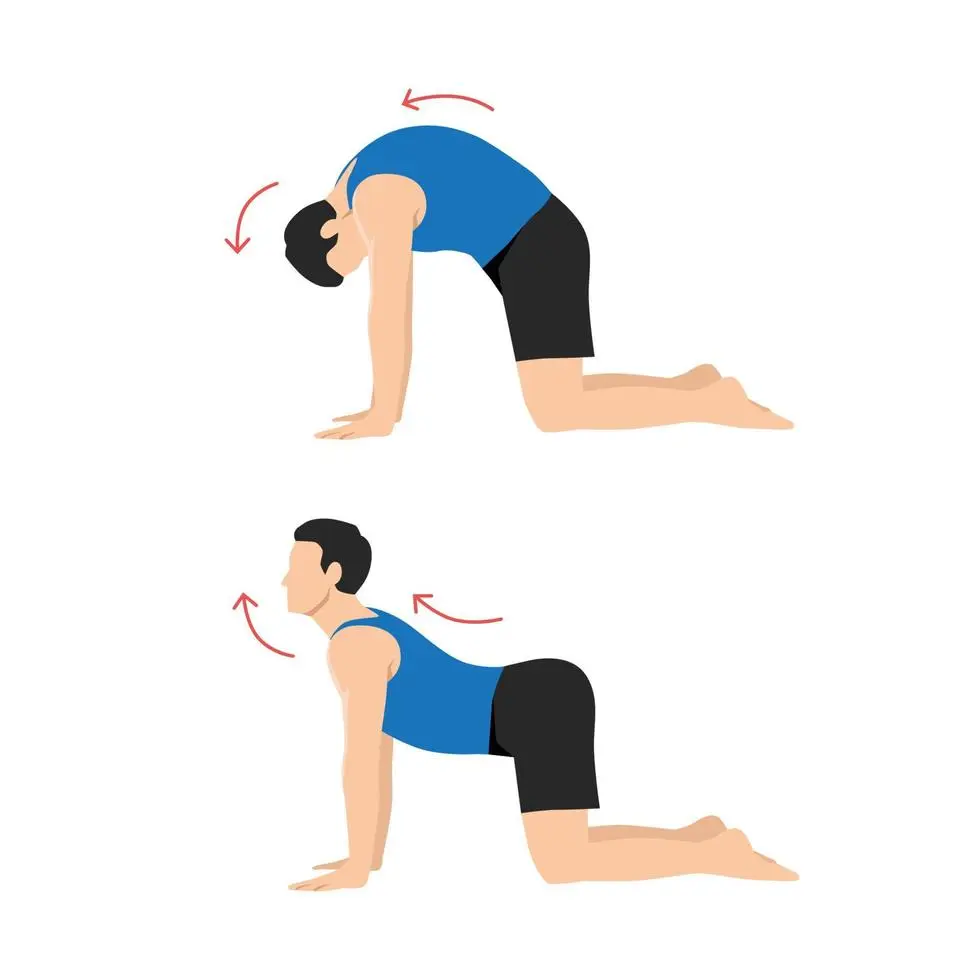
- Start on your hands and knees.
- Tuck your chin in and slowly arch your back upward (cat pose).
- Next, raise your head and tailbone while lowering your abdomen softly (cow pose).
- Go between the two spots slowly.
- Ten to fifteen slow cycles of repetitions
Advantages
- Increases the flexibility of the spine
- Lessens rigidity
- Promotes deliberate movement
- Encourages improved posture
Bird-Dog Exercise
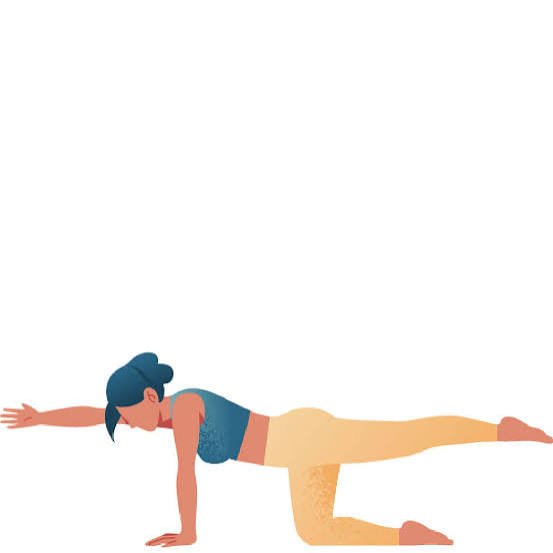
- Get on your hands and knees to begin.
- Raise your right arm.
- Extend your left leg backward at the same time.
- Maintain a straight back and level hips.
- Hold for five to ten seconds.
- Eight to ten repetitions on each side
Advantages
- Strengthen the core
- Enhances equilibrium
- Improves the stability of the spine
- Encourages good posture
Home Remedies for Lumbar Spondylosis
Simple home-care measures may help manage mild symptoms of lumbar spondylosis and improve comfort during daily activities.
1. Apply Heat
A warm compress or heating pad may help relax tight lower-back muscles and reduce stiffness. Use it for around 15–20 minutes and avoid applying excessive heat directly to the skin.
2. Stay Gently Active
Avoid prolonged bed rest or remaining in one position for extended periods. Gentle walking and comfortable daily movement can help maintain mobility and prevent excessive stiffness.
3. Use Cold Therapy When Appropriate
If the back feels irritated after physical activity, a cold pack wrapped in a towel may provide temporary relief. Apply it for approximately 15–20 minutes.
4. Gentle Exercises
Appropriate stretching, mobility exercises, and strengthening exercises can help maintain spinal movement and support the muscles around the lower back, abdomen, hips, and pelvis. Exercises should be performed gradually and should not significantly increase symptoms.
5. Maintain a Comfortable Sleeping Position
Choose a comfortable mattress and sleeping position. A pillow between the knees when sleeping on the side or under the knees when lying on the back may help some people maintain a comfortable spinal position.
What are the most common complications of lumbar Spondylolysis?
Reduced mobility, or how well or comfortably you can move, can also result from the back pain associated with spondylolysis.
Spondylolisthesis may result from untreated spondylolysis. When spondylolysis weakens or cracks your vertebrae to the point that they go out of alignment, you have spondylolisthesis. Sciatica, or shooting pain in the legs, can occur when a slipped vertebra presses against a nerve. To alleviate the symptoms of spondylolisthesis and resume their regular activities, some people require surgery.
Prevention of Lumbar Spondylosis
Spondylolysis is typically unavoidable. To lower your chance of suffering a pars fracture, heed these general safety recommendations:
- Wear your seatbelt at all times, especially the shoulder harness that encircles your upper torso.
- Make sure there is no clutter in your house or place of business that could trip you or other people.
- Avoid standing on worktops, tables, or chairs.
- Maintain healthy bones by adhering to a diet and activity regimen.
- If you are over 50 or have a family history of osteoporosis, discuss a bone density test with your healthcare provider.
FAQs
Is lumbar spondylosis serious?
Lumbar spondylosis is a common, age-related wear-and-tear process of the lower spine and is usually not a serious or life-threatening condition.
When It’s Not Serious
Mild pain is localized to the lower back or causes mild stiffness.
No nerve impact: No numbness, tingling, or weakness in the legs.
Easy relief: Discomfort improves with rest, over-the-counter pain relievers, or physical therapy.
When things get serious
This can become serious if the condition causes complications like nerve compression or spinal stenosis (narrowing of the spinal canal).
Sciatica: Sharp or radiating pain down the buttock and legs.
Weakness and numbness: Your legs or feet feel weak, heavy, or numb when you walk.
Mobility limitations: You find it difficult to stand or walk for long
Red Flag Signs
Seek immediate emergency medical attention if you encounter:
Loss of control over the bowels or bladder
Abrupt, extreme weakness in both legs
Numbness in the genital or groin area.
Can a person with lumbar spondylosis have a normal life?
Yes, it is possible to live a normal, active life with lumbar spondylosis, which is a common and manageable condition that many people successfully manage with proper care.
Lumbar spondylosis is age-related wear and tear of the discs and joints of the lower spine. The physical changes are irreversible, but the symptoms are often mild or completely controlled.
Managing everyday life
Get active: Gentle, regular movement such as walking will keep the muscles in your back strong and will nourish your spine.
Physical therapy: Certain exercises increase your core strength, posture, and flexibility to ease the strain on your lower back.
Healthy habits:s Keeping your weight at a healthy level, not being inactive for long periods, ds and not sitting for long periods can help to avoid putting extra strain on your lumbar spine.
Medical options: Over-the-counter anti-inflammatory medication or supervised spinal injections can help manage flare-ups as needed.
When to Consult a Physician
Although most people don’t require surgery, you should get checked out if you see any warning signs:
Tingling, numbness, or sharp or radiating leg pain; increasing weakness in the legs or feet
Walking difficulties or loss of balance
Abrupt alterations in bladder or bowel control (a medical emergency)
When to Consult a Physician
Although most people don’t require surgery, you should get checked out if you see any warning signs:
Tingling, numbness, or sharp or radiating leg pain
Increasing weakness in the legs or feet
Walking difficulties or loss of balance
Abrupt alterations in bladder or bowel control (a medical emergency)
Can walking reduce lumbar spondylosis?
Yes, walking helps to minimize the symptoms of lumbar spondylosis. Walking improves circulation, reduces stiffness, and strengthens the muscles that support your lower back.
While walking won’t undo the wear and tear or degenerative changes in the spine that come with aging, it’s one of the safest low-impact workouts to help control pain and improve mobility.
How Walking Helps
Improves blood circulation: Enhances blood flow of oxygen and nutrients to the muscles and tissues around your lower spine.
Reduces stiffness: It keeps muscles and joints flexible, preventing the stiffness that makes back pain worse.
Strengthens support muscles: Works your core, legs, and back muscles, creating a stronger natural support system for your spine.
Releases natural painkillers: It causes the release of endorphins in the brain to reduce pain naturally.
Advice for Safe Walking
Go slowly at first: Walk for five to ten minutes at first, then progressively extend the duration.
Strive for uniformity: Walk comfortably for 20 to 30 minutes most days of the week.
Keep your posture correct: When you walk, keep your back straight and your head up.
Pay attention to your body: If you experience severe pain or if your legs begin to feel weak or numb, stop right away and take a break.
What to avoid if you have lumbar spondylosis?
If you have lumbar spondylosis, you should avoid heavy lifting, high-impact activities, and prolonged sitting that puts a strain on your lower back.
Exercises and Movements to Avoid
Heavy lifting: No deadlifts, heavy squats, or lifting things with bad form, as this compresses the lumbar discs.
High-impact activities: No running, jumping, or intense aerobics that jar the spine.
Sudden twisting or bending: Deep forward toe touches or jerky rotational movements that put stress on the joints.
Habits of Life to Avoid
Prolonged Sitting: Sitting for extended periods without a break puts pressure on the lower spine and weakens support muscles. Every 45-60 minutes, get up and stretch.
Bad posture: Slouching at work or leaning over screens increases disc wear and tear.
Smoking: Nicotine slows down the body’s natural healing process and narrows blood vessels.
Excess weight: Your lower vertebrae are subjected to constant, severe pressure when you carry excess body weight.
Can lumbar spondylosis cause paralysis?
Complete paralysis is very rare with lumbar spondylosis, but if severe nerve or spinal compression is left untreated, it can cause severe weakness in the legs or medical emergencies such as Cauda Equina Syndrome.
Lumbar Spondylosis and Its Effect on the Nerves
Wear and tear. Spondylosis is age-related degeneration of the disks and joints of the spine.
Bone spurs or a narrowed spinal canal can press on nearby nerves.
Symptoms: Usually presents with lower back pain, stiffness, or tingling and numbness in the legs.
When Stuff Gets Dangerous
Extreme compression: Severe bone slip (Spondylolisthesis) or extreme spinal stenosis from degeneration can cause severe nerve damage.
Cauda Equina Syndrome: This occurs when the bundle of nerves at the bottom of the spine gets severely compressed. This is a real medical emergency.
Warning indications include numbness in the groin area, significantly increased limb weakness, and loss of bladder or bowel control, all of which call for emergency medical attention.
How long does it take for lumbar spondylosis to heal?
Usually, Lumbar Spondylosis flare-ups improve in two to eight weeks without serious treatment, although the recovery time can vary depending on how intense the condition is.
Recovery time
Mild Flare-ups: People with this condition often experience a natural subsiding of the symptoms within two to six weeks and can manage it by themselves.
Moderate Cases: There is a possibility of improvement through these therapies in six to twelve weeks.
Severe or Chronic Cases: Since Lumbar Spondylosis can cause lingering stiffness or nerve compression, full recovery can take some time.
Recovery factors
Conservative Treatment: A common approach is to handle the condition with the help of physical therapy, exercises, and best practices in posture rather than undergo surgery.
Ongoing Management: Since lumbar spondylosis is a naturally occurring age-related condition, there is a chance of the symptoms recurring.
What is the home remedy for lumbar spondylosis?
The main goal of treatment for lumbar spondylosis at home is to relieve pain, lessen stiffness, and strengthen the muscles that support the lower spine. Given that lumbar spondylosis is caused by deterioration of the spinal joints and discs due to aging, home treatment cannot reverse the underlying changes, but it can make daily life more comfortable.
Always consult with a medical practitioner before starting new exercises if you suffer severe pain that spreads to your legs.
References
- CB Physiotherapy. (n.d.). CB Physiotherapy. https://cbphysiotherapy.in/exercise/top-5-exercises-for-lumbar-spondylosis
- Abdominal Bracing with Floor Marches. (n.d.). [Video]. Hingehealth. https://www.hingehealth.com/resources/articles/spondylolisthesis-exercises/
- Admin. (2022, March 19). Lumbar spondylosis – KIMS – ARETE. KIMS – ARETE. https://asianspinehospital.com/lumbar-spondylosis/
- Is lumbar spondylosis serious? Warning signs & treatment. (n.d.). The Spine Foundation. https://thespinefoundation.org/is-lumbar-spondylosis-serious/
- Lumbar spondylosis: Do you need surgery?. (n.d.). Spine 360 | Dr.Umesh Srikantha. https://www.spine360.in/lumbar-spondylosis/
- Middleton, K., & Fish, D. E. (2009). Lumbar spondylosis: clinical presentation and treatment approaches. Current Reviews in Musculoskeletal Medicine, 2(2), 94–104. https://doi.org/10.1007/s12178-009-9051-x
- Ortho, P. N. J. |. M. D. (2026, May 17). Exercises for spondylosis relief: What to do and what to avoid. ANSSI Wellness. https://www.anssiwellness.com/proper-exercises-spondylosis-relief/
- School, M. M. (2024, October 11). Lumbar Spondylosis (Degeneration) | UTHealth Neurosciences. Neurology, Neurosurgery, Spine Care | UTHealth Neurosciences. https://med.uth.edu/neurosciences/conditions-and-treatments/spine-disorders-and-back-pain/lumbar-spondylosis-degeneration/
- Spondylolysis. (2026, May 22). Cleveland Clinic. https://my.clevelandclinic.org/health/diseases/10303-spondylolysis
- Spondylosis Exercises | Houston Methodist. (n.d.). https://www.houstonmethodist.org/spine/conditions/spondylosis/excercises/
- Srikantha, U. (2026, February 24). Lumbar Spondylosis Treatment: Exercises & Relief. Spine 360 | Dr.Umesh Srikantha. https://www.spine360.in/spine-knowledge-lumbar-spondylosis/