Carpal Tunnel Syndrome
Introduction
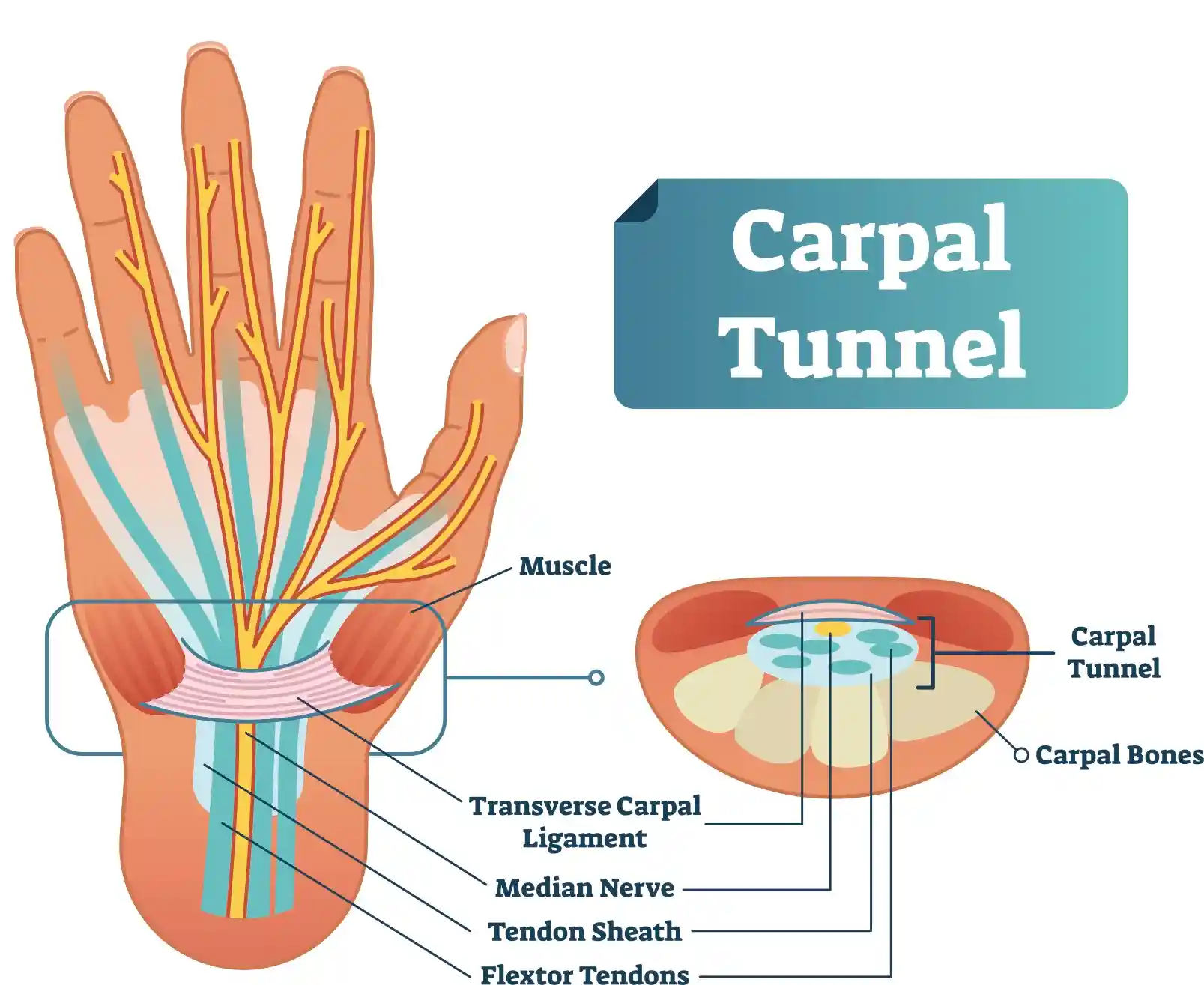
Carpal Tunnel Syndrome (CTS) is a common peripheral nerve compression disorder that occurs due to compression of the median nerve as it passes through the carpal tunnel at the wrist.
The carpal tunnel is a confined channel bordered by the wrist bones and the transverse carpal ligament, allowing the median nerve and nine finger-flexor tendons to travel through it. Increased pressure within this tunnel can lead to compression of the median nerve, resulting in pain, numbness, tingling, and weakness in the hand.
The condition commonly affects individuals who perform repetitive wrist movements, prolonged typing, or activities involving continuous gripping. It may also occur due to pregnancy, diabetes mellitus, rheumatoid arthritis, obesity, and wrist injuries. Symptoms are usually experienced in the thumb, index finger, middle finger, and the radial half of the ring finger. In severe cases, patients may develop reduced grip strength, difficulty performing daily activities, and thenar muscle wasting.
Early diagnosis and appropriate treatment, including physiotherapy, splinting, ergonomic modification, and medical management, play an important role in relieving symptoms and preventing complications. Physiotherapy helps improve hand function, reduce discomfort, and restore functional independence.
Symptoms Of Carpal Tunnel Syndrome
The following are the most typical signs of carpal tunnel syndrome:
- Wrist, hand, or finger numbness (particularly at the fingertips)
- Wrist, hand, or finger pain
- Tingling
- Difficulty controlling or holding objects with your hands (e.g., typing on a keyboard, holding a pen, clutching the steering wheel, or holding your phone)
- The symptoms of carpal tunnel syndrome typically appear gradually. At first, your symptoms can be mild, but they could worsen over time.
Symptoms are typically first seen at night; tingling or soreness may wake you up. Over time, the symptoms may begin to interfere with your daytime activities, particularly if you frequently perform similar tasks at work, such as typing, writing, or using equipment.
It could feel like pinpricks or like your hands or fingers “fell asleep.” Additionally, you can have numbness that makes you want to shake your hands as if you were throwing water off of them.
Instead of feeling like a cut on the skin, carpal tunnel syndrome pain typically seems like it’s coming from inside your hand or wrist. The discomfort could be a persistent aching or a quick, scorching stab.
Carpal tunnel syndrome can cause some people to feel as though their hands and grip are weaker than usual. Even when you are focused on a pen or mug, it may seem impossible to grasp it firmly.
Your hands and fingers could feel awkward or less capable of making precise movements, such as inserting a key into a lock or buttoning a garment.
Causes Of Carpal Tunnel Syndrome
All of the components that flow through the carpal tunnel have room, but if a portion of your wrist is swollen or injured, it may put pressure on nearby tissue, including your median nerve.
- Repetitive strain injuries
- Arthritis
- Sprains
- Wrist fractures (broken wrist bones)
- Ganglion cysts
Risk Factors of Carpal Tunnel Syndrome
Carpal tunnel syndrome can strike anyone; however, certain individuals are more susceptible than others, such as:
- Individuals who perform repetitive hand and wrist motions at work (such as hitting a hammer)
- People who use vibrating power instruments, such as jackhammers or drills
- Pregnant women
- Women
- Adults over the age of 40
- Individuals with carpal tunnel syndrome who have biological relatives (it can be inherited or handed down through generations in families)
Your chance of developing carpal tunnel syndrome may be increased by the following medical conditions:
- Rheumatoid arthritis
- Gout
- Hypothyroidism
- Diabetes
- Obesity
- Amyloidosis
Diagnosis and Tests Of Carpal Tunnel Syndrome
A physical examination and a few tests will be used by a medical professional to diagnose carpal tunnel syndrome. In addition to asking about your symptoms, they will examine your wrist, hand, and fingers. Tell your doctor when you first noticed your symptoms, as well as whether certain activities or times of day make them better or worse.
- Tinel’s sign
- Phalen’s test
- Wrist X-rays
- Electromyography (EMG)
- Ultrasound
- Magnetic resonance imaging (MRI)
Treatment Of Carpal Tunnel Syndrome
Medical Treatment Of Carpal Tunnel Syndrome
Wearing a splint will relieve pressure on your median nerve by keeping your wrist in a neutral position, especially at night.
Physical therapy: You can improve your flexibility and strengthen the muscles surrounding your wrist with the assistance of a physical therapist.
Modifying your posture or workspace: An occupational therapist can offer advice on how to change your daily routine so that you can move more comfortably and safely. You may need to adjust your keyboard position, sit or stand differently, or make other postural adjustments.
Over-the-counter drugs: To lessen pain and inflammation, your doctor may recommend acetaminophen or NSAIDs. Consult your doctor before using these medications for longer than ten days in a row.
Corticosteroids: Prescription drugs that reduce inflammation are known as corticosteroids. Cortisone injections may be administered by your physician to treat your carpal tunnel syndrome.
Exercise for Carpal Tunnel Syndrome
Prayer stretch
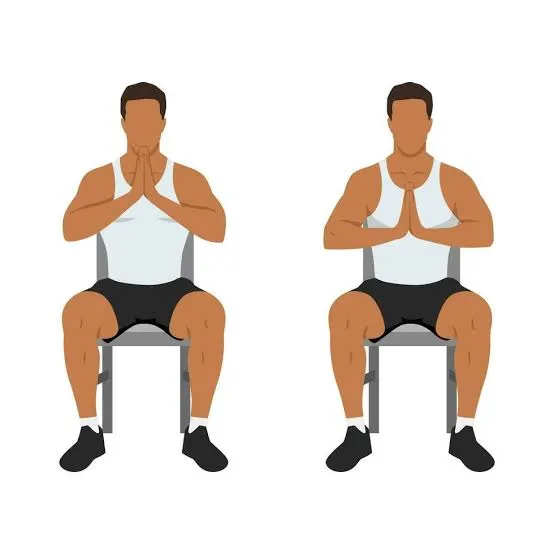
- Just below your chin, place your palms together in front of your chest.
- Keeping your palms together and your hands at your stomach, slowly bring them down to your waist. There will be a slight to moderate strain beneath your forearms.
- Hold for a minimum of 15 to 30 seconds.
- Do this two to four times.
Wrist flexor stretch
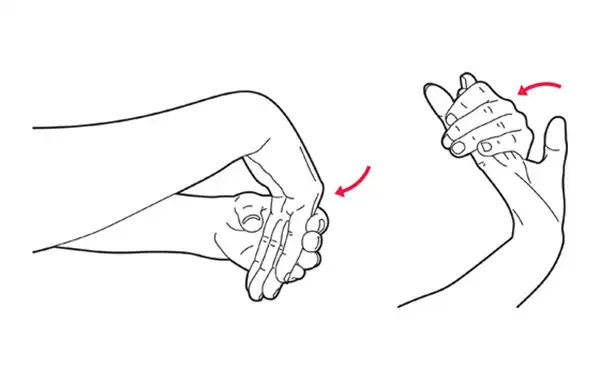
- With your palm facing down, extend the affected arm in front of you.
- Point your fingers up while bending back your wrist on the affected arm.
- Gently bend your wrist more with your other hand until your forearm feels mildly to moderately stretched.
- Hold for a minimum of 15 to 30 seconds.
- Do this two to four times.
- Steps 1 through 5 should be repeated. However, extend the affected arm in front of you this time, palm up. Next, point your fingers down while bending your wrist back.
- Repeating these actions with your second arm is a smart idea.
Wrist extensor stretch
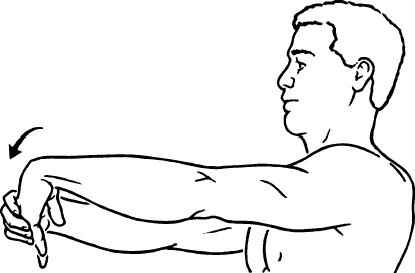
- Point your fingers toward the ground while extending the arm with the affected wrist in front of you.
- Gently bend your wrist farther with your other hand until your forearm feels mildly to moderately stretched.
- For a minimum of 15 to 30 seconds, hold the stretch.
- Do this two to four times.
- Repeating these actions with your other wrist is a good idea.
Home remedies for Carpal Tunnel Syndrome
Bracing & Splinting
- Use a splint at night: By keeping your wrist neutral and straight while you sleep, you can avoid bending it into an uncomfortable position and lessen tingling and numbness at night.
- Wear a supportive brace during triggering activities: Wearing a supportive brace during activities that flare up your symptoms can also help.
Ergonomics and Activity Modification
- Take frequent breaks: Step away from typing, mouse work, or gripping tools every 15 to 30 minutes to shake out your hands.
- Change your work environment: Use an ergonomic keyboard and mouse. When you are typing, keep your wrists straight and do not lean heavily on your wrists.
- Lighten your grip: Ease up on how much pressure you apply when holding tools, steering wheels, etc., or pens.
Temperature and elevation treatments
- Cold compresses: Apply an ice pack or a cold wrap to your wrist for 10 to 15 minutes a few times each day to alleviate sharp pain and reduce swelling.
- Warm soaks: Soaking your hands in warm water or applying a warm towel can help to relieve tight muscles and stimulate blood circulation, particularly before light stretches.
- Rest your wrists up or elevated. Elevate your hands to help drain fluid buildup and ease pressure.
Prevention Of Carpal Tunnel Syndrome
It can be challenging to prevent carpal tunnel syndrome, especially if it is caused by a medical condition or an activity you are unable to avoid. By protecting your wrists, you may be able to lower your risk. Among the preventative measures are:
- Before and after intense exercise, stretch your hands and wrists.
- Put on the appropriate safety gear for every task or activity.
- When working with your hands, take frequent breaks.
- When using tools or typing on a keyboard, use the right technique and keep your posture straight.
Complications Of Carpal Tunnel Syndrome
The soreness in your wrist may result in irreversible damage if a medical professional does not identify and treat carpal tunnel syndrome as soon as possible. In particular, the increased pressure may harm your median nerve, making it difficult or impossible for you to feel, move, or use your hand.
As soon as you have symptoms of carpal tunnel syndrome or any changes in your ability to feel or use your hand and wrist, see a doctor.
FAQs
Can carpal tunnel syndrome heal on its own?
Carpal tunnel syndrome may resolve on its own, particularly if you take some time to relax or refrain from repetitive wrist motions. However, unless a medical professional diagnoses and treats carpal tunnel syndrome, it is far more likely that it will not recover. Risking irreversible harm to your median nerve is not worth it. As soon as you experience any tingling, discomfort, or numbness in your hands, fingers, or wrists, consult a medical professional.
What is the best way to fix carpal tunnel syndrome?
No one answer applies to everyone. Which treatments will work best for you depends on what’s irritating your carpal tunnel, as well as the carpal tunnel syndrome’s severity. Most people can manage carpal tunnel syndrome with conservative treatments. But surgery is sometimes the best option. There’s no one right or wrong answer when it comes to your health. A healthcare provider will help you understand which treatments are right for you and why.
How do I know if I’m getting carpal tunnel syndrome?
Everyone experiences carpal tunnel syndrome differently. You might first notice symptoms at night, like wrist pain or tingling that are intense enough to wake you up. You may also notice that your wrists start showing signs of carpal tunnel the longer you use them, like at the end of a long day of working with tools. Only a healthcare provider can confirm that you have carpal tunnel syndrome or another wrist issue. Even if you don’t have carpal tunnel syndrome, they’ll help you understand what’s causing the symptoms and how you can treat them.
How can I prevent carpal tunnel syndrome?
Making lifestyle adjustments that lower your risk factors for carpal tunnel syndrome can help you avoid it. Carpal tunnel syndrome can be prevented by treating diseases including diabetes, high blood pressure, and arthritis. Other key tactics to lessen discomfort include being mindful of your hand posture and avoiding activities that put undue strain on your wrist. Exercises used in physical therapy may also be beneficial.
What is the long-term outlook?
Early physical therapy and lifestyle modifications can significantly improve your long-term condition and get rid of your carpal tunnel syndrome symptoms. Untreated carpal tunnel syndrome can cause irreversible nerve damage, impairment, and loss of hand function; however, this is unusual.
References
- American Academy of Orthopaedic Surgeons. (n.d.). Therapeutic exercise program for Carpal tunnel syndrome. https://orthoinfo.aaos.org/globalassets/pdfs/a00789_therapeutic-exercise-program-for-carpal-tunnel_final.pdf
- Brazier, Y. (2023, November 29). Carpal tunnel syndrome: What you need to know. https://www.medicalnewstoday.com/articles/184337
- Carpal Tunnel Syndrome. (2026, October 16). Cleveland Clinic. https://my.clevelandclinic.org/health/diseases/4005-carpal-tunnel-syndrome
- Carpal Tunnel Syndrome: exercises | Kaiser Permanente. (n.d.-a). Kaiser Permanente. https://healthy.kaiserpermanente.org/health-wellness/health-encyclopedia/he.carpal-tunnel-syndrome-exercises.ad1506
- Exercise advice: carpal tunnel syndrome. (2017, August 9). The Chartered Society of Physiotherapy. https://www.csp.org.uk/public-patient/rehabilitation-exercises/carpal-tunnel-syndrome
- National Library of Medicine. (n.d.). Carpal Tunnel Syndrome. MedlinePlus. https://medlineplus.gov/carpaltunnelsyndrome.html
- Pain, S., & Pain, S. (2022, January 18). 7 exercises for Carpal Tunnel Syndrome. Southeast Pain & Spine Care. https://www.sepainandspinecare.com/7-exercises-for-carpal-tunnel-syndrome/
- Sissons, B. (2024, December 9). 7 hand exercises for carpal tunnel syndrome with pictures. https://www.medicalnewstoday.com/articles/hand-exercises-for-carpal-tunnel
- Tudor, M. A. (2026, August 13). Best exercises for Carpal Tunnel Syndrome. WebMD. https://www.webmd.com/pain-management/carpal-tunnel/best-exercises-carpal-tunnel
- Wikipedia contributors. (2026, October 14). Carpal tunnel syndrome. Wikipedia. https://en.wikipedia.org/wiki/Carpal_tunnel_syndrome