Middle Back Pain
Introduction
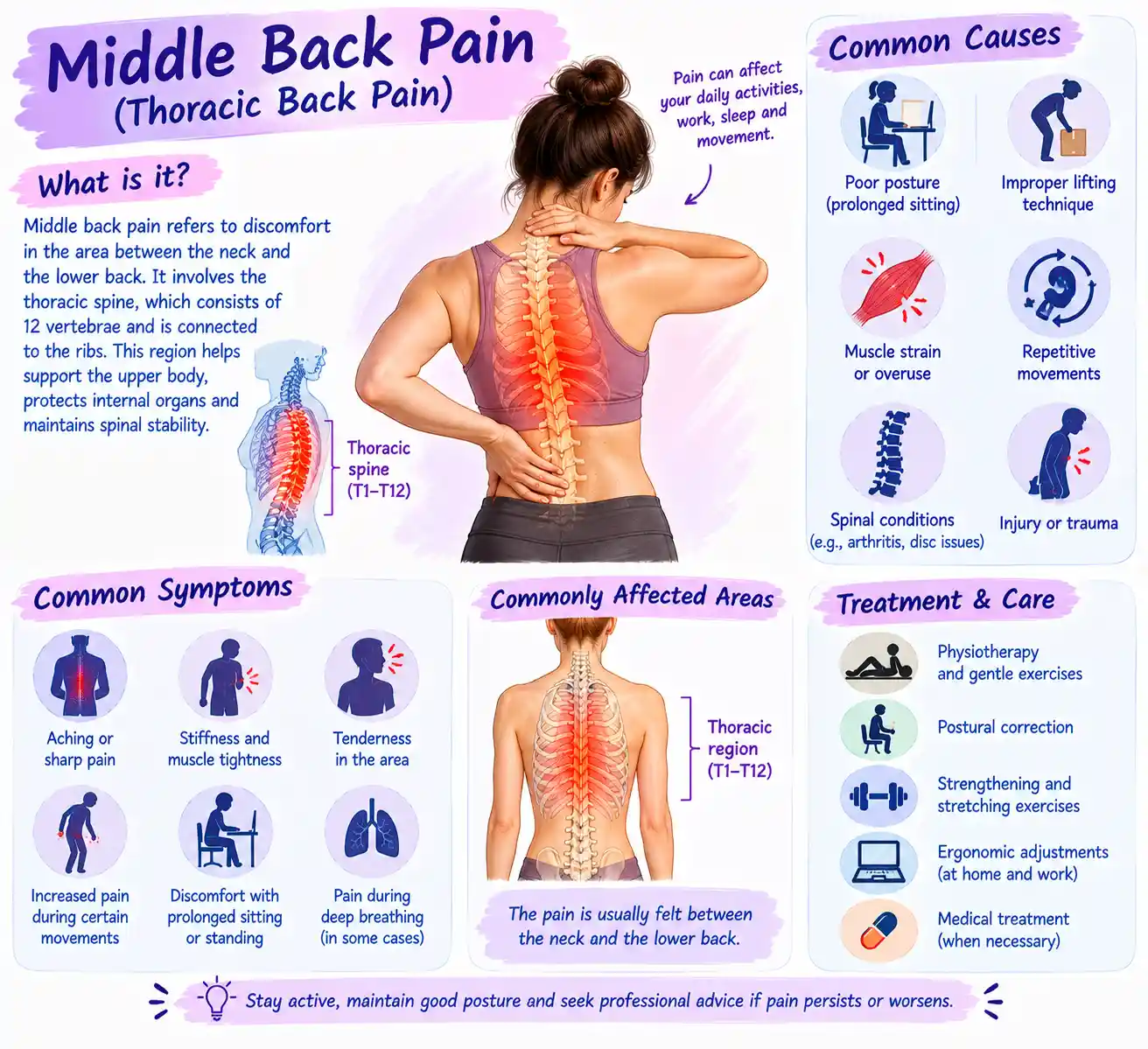
Middle back pain, also known as thoracic back pain, refers to discomfort in the area between the neck and the lower back. This region contains the thoracic spine, which consists of twelve vertebrae connected to the ribs and plays an important role in supporting the upper body, protecting internal organs, and maintaining spinal stability. Middle back pain can affect people of different ages and may interfere with daily activities, work, sleep, and physical movement.
Common causes of middle back pain include muscle strain, poor posture, prolonged sitting, repetitive movements, improper lifting techniques, and injuries. In some cases, it may be associated with spinal conditions, joint problems, or other underlying medical disorders. Individuals may experience aching, stiffness, muscle tightness, tenderness, or discomfort that increases during certain movements, prolonged sitting, or deep breathing.
Lifestyle factors such as limited physical activity, inadequate muscle strength, and poorly arranged workstations may contribute to back pain. Early identification of the underlying cause is important for selecting appropriate treatment and preventing symptoms from worsening.
Management of middle back pain may include physiotherapy, gentle stretching, strengthening exercises, postural correction, activity modification, and medical treatment when necessary. Maintaining good ergonomics, staying physically active, and avoiding prolonged positions can help support spinal health.
Persistent or severe pain should be assessed by a healthcare professional, particularly when accompanied by chest pain, breathing difficulties, fever, or neurological symptoms.
What are the Symptoms of Middle Back Pain?
If any of the following symptoms are present along with middle back pain, it may be deemed severe:
- Sharp or stabbing pain that is intense or radiating
- Breathing and/or swallowing difficulties
- Weight loss or an unexplained fever
- Loss of control over the bowels or bladder
- Muscle spasms
- Tightness
- Stiffness in the muscles and joints
- Reduced range of motion
- Chronic fatigue
- Migraines
- Difficulty breathing
- Digestive issues
Causes of middle back pain
Arthritis comes in a variety of forms, some of which can impact the back.
32.5 million people suffer from osteoarthritis (OA), a chronic degenerative joint condition.OA results in pain, edema, and stiffness because the ends of the bones rub against one another.
One kind of arthritis that affects the spine is called ankylosing spondylitis. Back pain and stiffness are among the symptoms. It eventually results in the fusion of the vertebrae, which affects movement and posture.
One type of inflammatory arthritis that usually affects the hands, knees, or ankles is rheumatoid arthritis. Spinal joints and other bodily parts, however, may also be impacted. It happens when a person’s immune system unintentionally targets joint tissue.
Fractured vertebrae
Any middle back vertebra may sustain a fracture or shattered bone as a result of a fall, car accident, or sports injury.
A fractured vertebra can also result from severe degeneration of the spine over time, such as osteoarthritis.
Severe discomfort that worsens with movement is one of the symptoms. Incontinence, tingling, and numbness may result from a spinal cord injury. Fractures need to be treated right away.
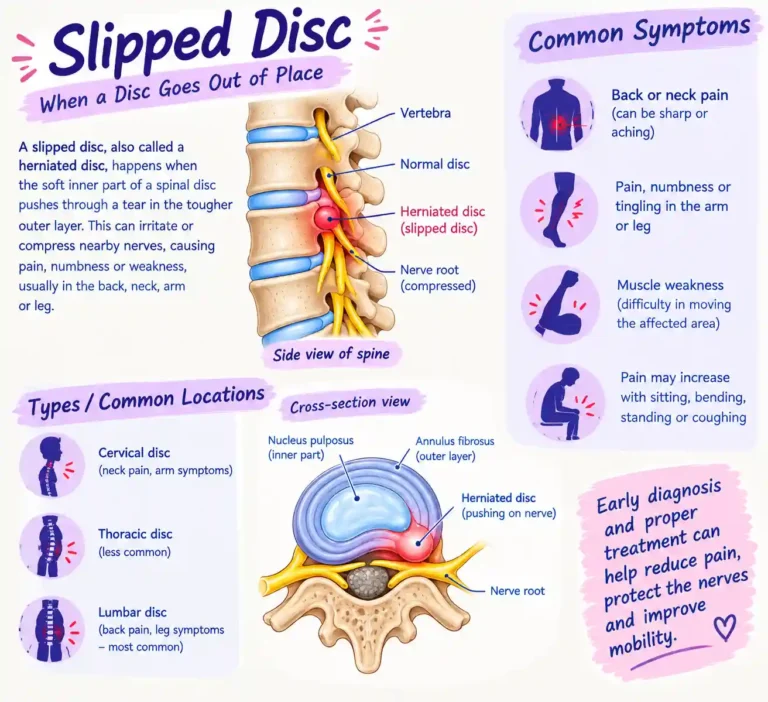
Soft tissue structures called spinal disks are found between each vertebra. They are liquid-filled, serve as shock-absorbing cushions, and promote spinal mobility.
Disks may burst or protrude. This exerts pressure on the nearby nerves and is referred to as a herniated or slipped disk.
Pain, tingling, or numbness are possible signs of a middle back herniated disk, though they are not always present. Additionally, spinal disks might rupture entirely.
Kidney problems
Kidney stones and infections are the most frequent causes of kidney pain. A person may have pain from them that seems to radiate through their back.
Other signs and symptoms include:
- Fever
- Difficulty urinating
- Pain while urinating
- Chills
- Nausea and vomiting
Lifestyle factors
Weak muscles from inactivity can exacerbate discomfort. Inappropriate lifting techniques might also cause back pain.
According to research, smokers are also more likely to experience chronic back pain.
Muscle strain or sprain
The back’s muscles and ligaments may stretch or tear as a result of repeatedly lifting big objects or carrying things incorrectly.
Overweight and obesity
The back muscles, bones, and other structures are further strained by being overweight or obese.
In fact, weight gain increases the likelihood of back pain, according to a 2023 study.
More precisely, there is a slight but substantial correlation between obesity and a rise in lower back pain.
The quality of the bone structure may also alter as a result. Bones may become weaker as a result of these alterations, raising the possibility of fractures.
Osteoporosis affects over 10 million adults over 50. An additional 43.3 million people may be at risk for the disease due to insufficient bone density.
Poor posture
One of the main causes of back pain is muscles that are trying to keep your balance.
Mental health conditions
Back pain is more common in people who suffer from anxiety or depression.
Scoliosis
The sideways curvature of the spine is caused by scoliosis. It can result in middle back pain and an unequal distribution of weight throughout the back. Back pain may be exacerbated by back muscular imbalances brought on by scoliosis.
Tumor
When a tumor develops in the middle back, it can disrupt the alignment of the spine and put pressure on the surrounding muscles, ligaments, and nerves, causing pain. These, however, are typically uncommon.
Treatment Of Middle Back Pain
Medical Treatment Of Middle Back Pain
If back pain does not improve with home remedies or lasts for several weeks, a person should consult a physician.
Prescription drugs, such as the following, are common medical treatments for middle back pain:
- Pain relievers
- Muscle relaxants
- Steroid injections
Physical treatment, which includes massage and exercise, may also be suggested by a physician.
Physiotherapy Treatment Of Middle Back Pain
Exercises for Middle Back Pain
Cat-Cow Pose
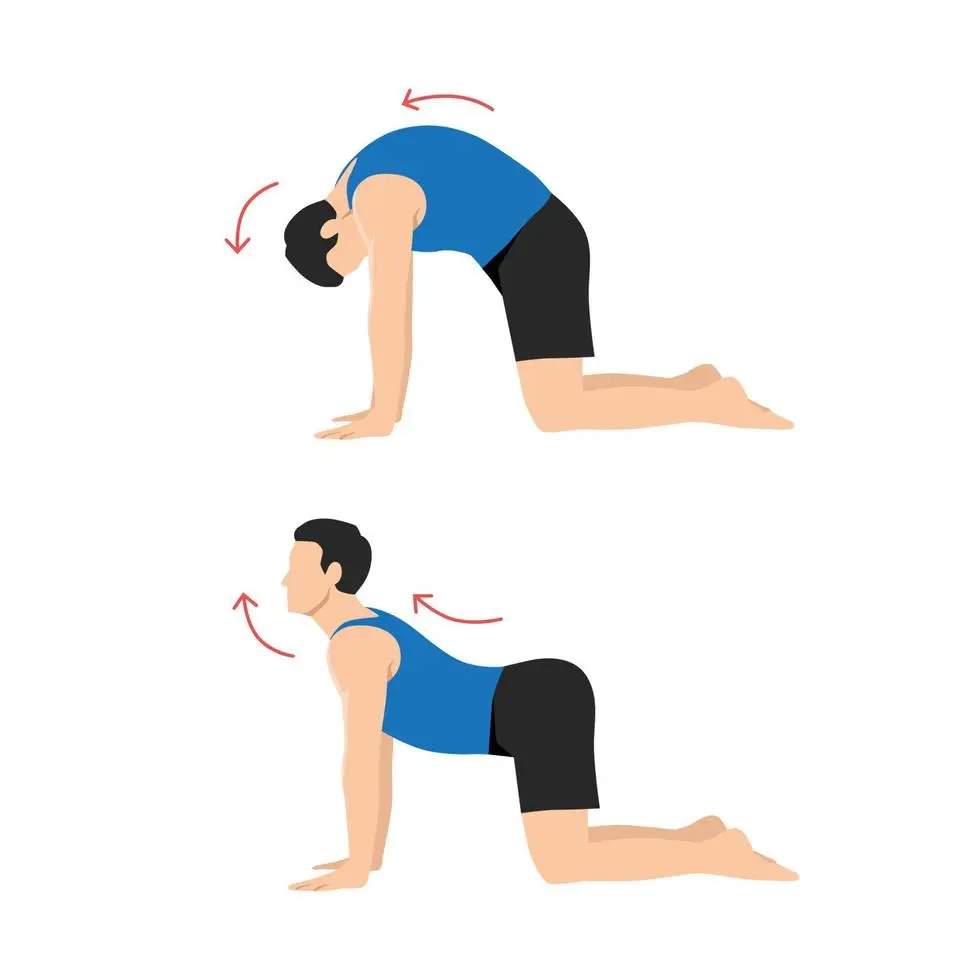
Stand and then sit on your knees. Then, like a cat, they should arch their back as much as is comfortable, and then, like a cow, they should sink their back into a U shape toward the earth.
Standing Forward Bend Pose

A person should bend forward from the waist as far as is comfortable while standing with their knees slightly bent. They should also keep their weight properly distributed and allow their arms to drop toward the floor. One vertebra at a time, they ought to return.
Seated Spinal Twist
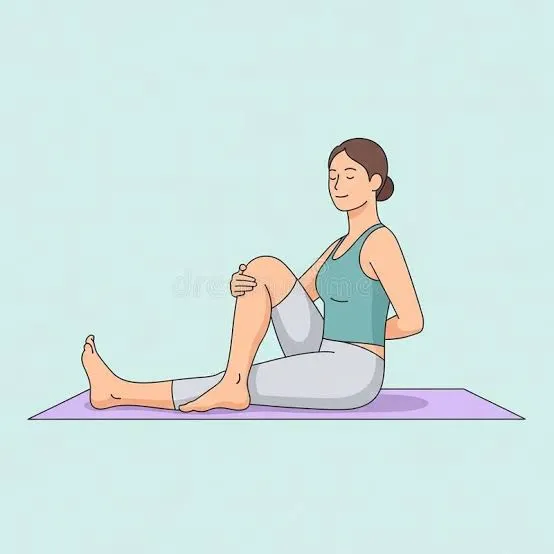
One should bend their right knee up while sitting with their legs outstretched. They should sit up straight and tall with their right foot on the outside of their left leg. They should look over their right shoulder as they slowly turn from the hips to the right. On the opposite side, repeat.
Low-impact activities
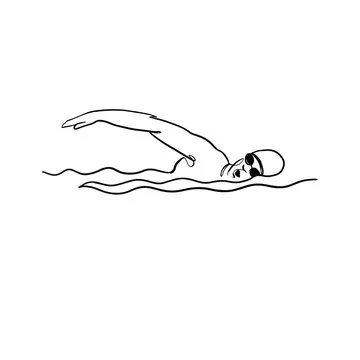
Walking, swimming, and yoga are all excellent choices.
Home remedies for Middle Back Pain
Middle back pain can be treated at home using the following techniques:
- Heat therapy: Many forms of middle back pain can be relieved by alternating hot and cold compresses or ice and heat.
- Over-the-counter medications that can reduce pain and swelling include naproxen (Aleve) and ibuprofen (Advil).
- Improvements in posture: To reduce back pain, bad posture should be fixed. Maintain proper posture by avoiding slouching and standing tall with your shoulders back.
Surgery for Middle Back Pain
Surgery may be required if middle back pain cannot be relieved with medicine or physical therapy. The following are some types of middle back surgery:
- Discectomy: To remove the damaged portion of the disk and stop additional damage, people with herniated disks may require a discectomy.
- Spinal fusion: In this technique, two vertebrae are joined, and damaged disks are replaced with a spacer.
- Laminectomy: A laminectomy decompresses the spinal cord by removing the lamina, the rear wall of a vertebra.
- Laminotomy: To cure a pinched nerve, a part of the lamina is removed by the surgeon.
Prevention of Middle Back Pain
The following actions may lessen the chance of injury, while not all occurrences of middle back pain may be avoided:
- Achieve or sustain a moderate weight, sleep on one side or the back, and maintain good posture.
- Make every workspace more ergonomic.
- Use safe lifting methods.
- Consider physical treatment.
When to contact a doctor
If a person’s back pain does not go away after a few weeks of home remedies, they should consult a physician.
Severe back pain symptoms that call for immediate medical attention include:
- Numbness
- Weakness
- Incontinence
- Chest pain
When experiencing back pain after a fall, collision, or injury, people should get medical help right away.
FAQs
What are the possible causes of pain in the middle back?
The leading cause of middle back pain is often everyday muscle strain, poor posture, or structural wear and tear, but other medical conditions can also cause middle back pain.
Postural Factors
Muscle Strains and Ligament Sprains: Heavy lifting, sudden twisting,g or overuse can lead to stretching or tearing of muscles and tendons.
Bad Posture: Slouching, hunching over the computer, or “text neck” all put constant extra strain on the muscles and ligaments of the middle back.
Myofascial Pain Syndrome: Back pain and tight “trigger points” in the connective tissues and paraspinal muscles of the back.
Obesity: Extra body weight places constant stress on the spinal structure and supporting tissues.
Structural and Spinal Disorders
Herniated or Bulging Discs: ks Damage to the cushioning discs between the thoracic vertebrae can press on nearby spinal nerves.
Vertebral Compression Fractures: These are common in older adults with osteoporosis (thinning, brittle bones) and often cause sudden or gradual sharp back pain.
Scoliosis or Kyphosis – Abnormal side-to-side curves or excessive rounding of the spine that throw off weight distribution.
Internal and Traumatic Reasons
Injuries and Falls: Fractured ribs or broken bones from a blow, car accident, or other physical trauma.
Referred Internal Organ Pain: Pain radiating into the middle back might be caused by conditions other than the spine, such as pancreatitis, kidney stones, or gallbladder illness.
Which organ can cause mid-back pain?
Sometimes internal organs can refer pain to the mid-back. That is, pain signals from a diseased or inflamed organ follow the same nerve pathways serving the spine and back muscles.
Organs That Cause Middle Back Pain
Kidneys: Kidney stones or kidney infections can cause sharp, deep pain in the middle or lower-left or right back below the ribs, often with changes in urination or fever.
Pancreas: Pancreatitis (inflammation of the pancreas) commonly causes severe pain in the upper middle abdomen that radiates straight through to the mid-back.
Stomach and Esophagus: Stomach ulcers or stomach inflammation, as well as severe acid reflux (GERD), can irritate nearby nerves and cause middle-back or shoulder-blade tightness.
Gallbladder: Pain in the upper right abdomen is frequently caused by gallstones or gallbladder disease, although it can also easily refer to the center or upper back.
Heart and Aorta: Abrupt, deep, or tearing pain in the mid-back or thoracic spine might be caused by serious vascular or cardiac problems, such as an abdominal aortic aneurysm or specific heart disorders.
Lungs: Upper or middle back pain can occasionally be caused by pneumonia, pleurisy (inflammation of the lung lining), or chest infections.
How do you relieve mid-back pain?
Mid-Back Pain Relief: Mid-back pain relief can be achieved through the use of targeted stretches, heat or ice therapy, foam rolling, and over-the-counter pain relievers.
Heat and Ice: Use an ice pack for the first 48 hours to help reduce inflammation. Use a heating pad or warm bath after this to loosen tight muscles.
OTC medication: Over-the-counter (OTC) anti-inflammatory medications, such as ibuprofen or naproxen, can help relieve pain and swelling.
Foam rolling: Position a foam roller across your mid-back and ease backward to mobilize the thoracic spine and release knots.
Can gas cause middle back pain?
Yes, trapped gas can cause middle back pain through a process called referred pain. The pressure and nerve irritation from the stomach or intestines can be felt in the mid-back.
How Gas Causes Middle Back Pain
Pressure and Swelling: Excess gas in the stomach, small intestine,e or colon flexures causes the digestive tract to swell.
Reflex nerve impulses: Your digestive organs are very closely connected to your spine. As the abdomen enlarges, it presses on surrounding tissue and stimulates visceral nerves that the brain interprets as a dull ache, tightness, or cramping in the middle of the back or ribs.
Common Triggers : Eating carbonated drinks , swallowing air ( aerophagia ) , eating trigger foods ( beans , dairy , or fatty items ) , or slow digestion can all trigger these episodes .
How to Differentiate Gas from Other Problems
Associated Symptoms: Stomach bloating, cramping waves, or fullness are typically present in conjunction with gas-related back pain.
Relief Pattern: After burping, passing gas, or having a bowel movement, the discomfort frequently goes away. It usually doesn’t change as you twist or bend your back, unlike injuries to your muscles or spine.
When should you worry about middle back pain?
When to Obtain Urgent Emergency Treatment
Loss of control of bowel or bladder (incontinence)
Sudden weakness in the legs or problems walking
Numbness, tingling, or pins-and-needles in the groin, gluteus, or legs (saddle anesthesia)
Chest pain or trouble breathing (can suggest heart, lung, or referred pain problems)
Fever, chills, or night sweats experienced with back pain
When to Visit the Medical Representative Sometimes (non-emergency)
Pain lasting more than 1-2 weeks without improvement or relief from self-care
Pain getting worse instead of improving
Pain causing a sleepless night, and even lying down doesn’t help
Unexplained weight loss or history of cancer
Pain received after severe trauma like a car accident or fall from height
What are dangerous signs of middle back pain?
The symptoms listed here are known as red flags for thoracic back pain, which might be caused by critical medical issues such as the compression of the spinal cord, infections, fractures, or tumors, and not merely due to a muscle injury.
Seek emergency assistance should the thoracic back pain arise in conjunction with any of the following symptoms:
loss of control over the bowels/bladder,
numbness, weakness, or tingling sensation in arms, legs, or body trunk,
pain resulting from some trauma such as a car accident,nt even if minor trauma occurred due to weakening of the bones,
fever, chills, or excessive sweating (which is an indication of spine infection),
chest pain together with difficulty during the breathing process or getting hurt while eating (which means that the vital organs function improperly, for instance, different diseases of the pancreas or heart attack).
If you notice these symptoms, it is recommended that you see a doctor.
How do you know if mid-back pain is kidney-related?
To determine whether mid-back pain is connected to the kidneys, you must check its location, nature of pain, and associated urinary or systemic symptoms.
1. Location of the Pain
Kidney Pain: The kidneys are located higher up in the back beneath the ribcage on both sides of the spine in the sides of the body. The pain is felt deep inside and is usually only on one side. The pain can spread to the sides and groin/lower abdomen.
Muscle Back Pain: Back pain is lower down the back and more evenly around the muscles of the lower back.
2. Nature of the Pain Movement
Kidney Pain: The pain remains continuous. No matter the position of the body, it does not decrease or increase. If the area is tapped, you may feel some tenderness in the area (costovertebral angle).
Muscle Pain: The pain is different in different positions if you move. It tends to worsen depending on whether you are bending or lifting, etc.
3. Associated Symptoms
Kidney Symptoms:
Fever or chills (indicates infection such as pyelonephritis)
Pain and burning sensation while urinating
Frequent urination, urgency of urination, or issues while urinating
Pink, red, brown, or cloudy urine (hematuria)
Nausea or vomiting
Localized pain moving from the low back toward the groin (typical for kidney stones)
Musculoskeletal Symptoms:
Muscle rigidity or localized pain
Numbness, tingling, or weakness radiating toward the legs
References
- 5 signs your back pain might be an emergency | Back and Spine | Orthopaedics | Rehabilitation | UT Southwestern Medical Center. (n.d.). https://utswmed.org/medblog/5-signs-your-back-pain-might-be-emergency/
- Cat Cow – video. (n.d.). [Video]. Hingehealth. https://www.hingehealth.com/resources/articles/middle-back-pain/
- DynamicHealth. (n.d.). Mid-back pain. https://www.dynamichealth.nhs.uk/help-and-advice/mid-back-pain/
- Leonard, J. (2024, June 14). Middle back pain causes and treatment. https://www.medicalnewstoday.com/articles/321195
- Miracles Health Expert & Miracles Health. (2025, November 8). What can cause middle back pain? Miracles Health. https://www.miracleshealth.com/blog/what-can-cause-middle-back-pain
- Professional, C. C. M. (2026, June 12). Back pain. Cleveland Clinic. https://my.clevelandclinic.org/health/symptoms/back-pain
- Qispine_Master. (2026, February 21). Middle Back Pain Right Side in Male & Female – Causes & Treatment. QI Spine Clinic. https://www.qispine.com/blog/middle-back-pain-right-side-all-you-need-to-know
- When should I worry about middle back pain? | Causes, symptoms and prevention | CHRISTUS Health. (n.d.). When Should I Worry About Middle Back Pain? | Causes, Symptoms and Prevention | CHRISTUS Health. https://www.christushealth.org/connect/your-health/orthopedics/when-should-i-worry-about-middle-back-pain