Foot Pain
Introduction
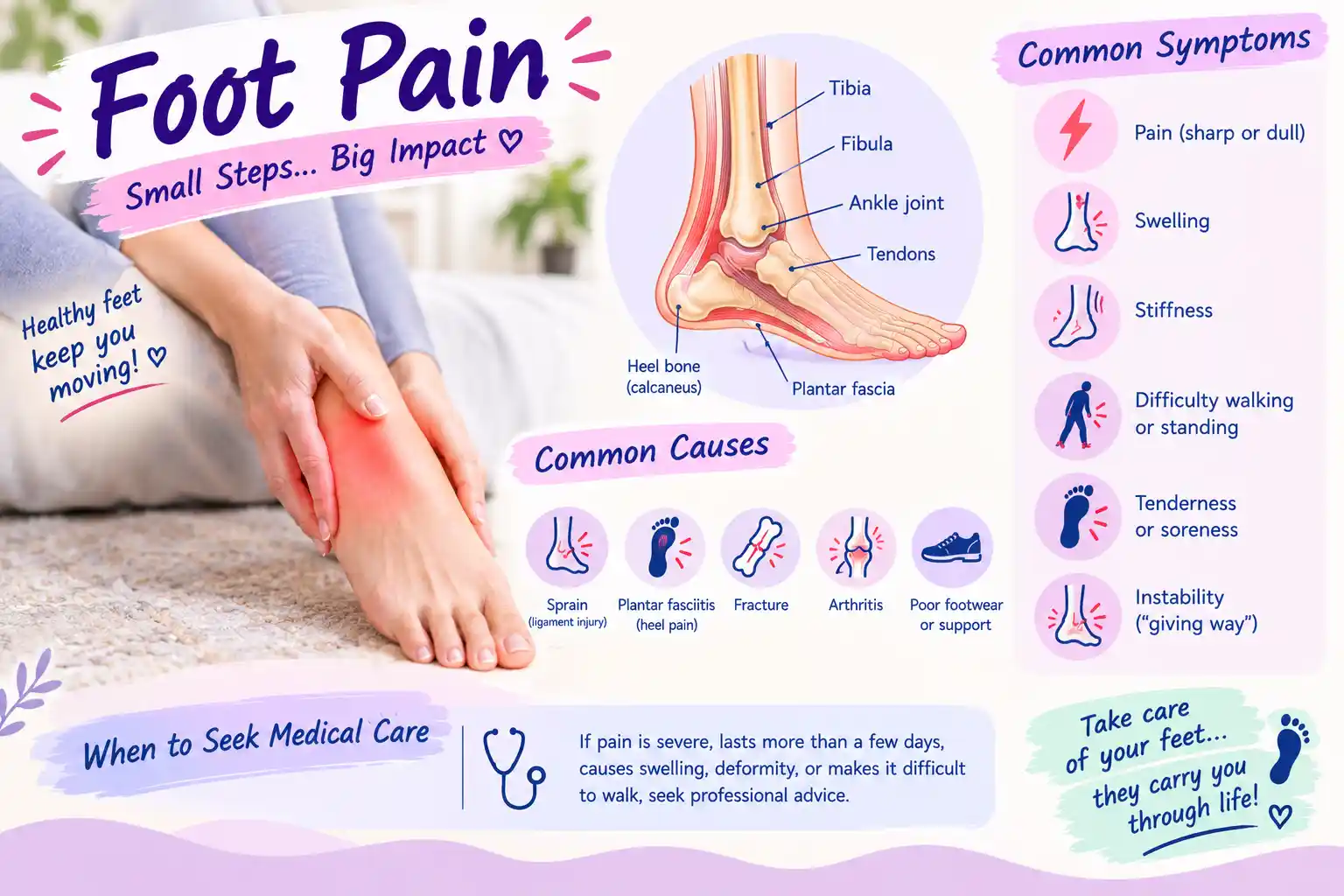
Foot pain is a common problem that can affect people of all ages and may interfere with walking, standing, exercising, working, and other everyday activities. The feet carry the body’s weight and absorb stress during almost every movement. They contain numerous bones, joints, muscles, tendons, ligaments, nerves, and connective tissues that work together to provide stability, balance, and movement. Because the feet are constantly exposed to mechanical stress, problems affecting any of these structures can result in pain or discomfort.
Foot pain can develop suddenly after an injury or gradually because of repetitive stress, overuse, inappropriate footwear, or changes in foot mechanics. Common causes include ankle or foot sprains, plantar fasciitis, tendon problems, arthritis, fractures, corns and calluses, flat feet, and other conditions affecting the bones and soft tissues. Activities such as running, prolonged standing, walking long distances, or suddenly increasing exercise can place additional stress on the feet. Wearing tight, uncomfortable, or poorly supportive footwear may also contribute to foot discomfort.
Some people may experience sharp, aching, burning, or throbbing pain. Other symptoms can include swelling, stiffness, tenderness, bruising, numbness, weakness, or difficulty putting weight on the affected foot. Pain may occur in the heel, sole, toes, arch, or around the ankle.
Proper management depends on identifying the cause of the pain. Mild problems may improve with activity modification, appropriate rest, supportive footwear, gentle stretching, and strengthening exercises. Physiotherapy can help improve flexibility, muscle strength, balance, foot and ankle mobility, and walking patterns. Medical assessment may be required when symptoms are severe, persistent, or associated with a significant injury.
Preventing foot pain involves maintaining a healthy body weight, wearing comfortable and supportive footwear, warming up before physical activity, increasing exercise gradually, and avoiding prolonged activities that cause discomfort.
Regular foot and ankle exercises can also help maintain strength and flexibility. Paying attention to early symptoms and seeking professional advice when necessary can help protect foot health and support comfortable movement.
Causes Of Foot Pain
Overuse or injury can occur to any portion of the foot. Chronic illnesses or specific medical problems affecting the bones and joints can be additional causes of foot discomfort. For instance, foot pain is frequently caused by arthritis.
Typical reasons for foot pain include:
Foot pain-causing injuries
- Achilles tendon rupture
- Avulsion fracture
- Broken ankle
- Broken foot
- Broken toe
- Stress fractures
Chronic illnesses that may result in foot pain
- Achilles tendinitis
- Bone spurs
- Bunions
- Bursitis
- Corns and calluses
- Haglund deformity.
- Ingrown toenails
- Metatarsalgia
- Osteoarthritis
- Peripheral neuropathy
- Plantar fasciitis
- Plantar warts
- Retrocalcaneal bursitis.
- Tarsal tunnel syndrome.
- Tendinitis
Conditions that can lead to foot pain
- Diabetic neuropathy
- Flatfeet
- Gout
- Hammertoe and mallet toe
- Morton neuroma
- Osteomyelitis
- Pinched nerve
- Psoriatic arthritis
- Rheumatoid arthritis
Top of foot pain
- Sprains or strains.
- Osteoarthritis.
- Tendonitis.
- Gout.
Bottom of foot pain
- Plantar fasciitis (commonly causes arch and heel pain).
- Morton’s neuroma.
- Flat feet (fallen arches).
- Sprains or strains.
- Bunions.
- Corns and calluses.
- Osteoarthritis.
- Bursitis.
- Plantar warts.
Side of foot pain
- Bursitis.
- Bunions.
- Peroneal tendonitis.
- Posterior tibial tendon dysfunction (PTTD).
- Stress fractures.
- Jones fracture.
- Cuboid syndrome (subluxation of midtarsal joint).
Foot heel pain
- Plantar fasciitis.
- Achilles tendonitis.
- Bursitis.
- Heel fracture.
- Achilles tendon rupture.
- Toe pain
- Ingrown toenail.
- Bunion.
- Gout.
- Hammertoes.
- Broken toe.
- Raynaud’s syndrome.
Diagnosis Of Foot Pain
Diagnosis of foot pain begins with a detailed history and physical examination. A healthcare professional will ask about the location, duration, severity, and nature of the pain, along with any history of injury, changes in activity, footwear, or previous foot problems. The foot and ankle may be examined for swelling, tenderness, deformity, skin changes, muscle weakness, and restricted movement.
Walking pattern, balance, and foot alignment may also be assessed. Depending on the suspected cause, investigations such as X-rays, ultrasound, MRI, blood tests, or other tests may be recommended.
Treatment Of Foot Pain
Mild conditions may improve with activity modification, appropriate rest, supportive footwear, and gradual exercises. More significant injuries or persistent symptoms may require professional medical and physiotherapy management.
Medical Treatment Of Foot Pain
A healthcare professional may recommend suitable pain-relieving or anti-inflammatory medication when necessary. Depending on the condition, supportive devices such as orthotics, braces, or specific footwear may be advised.
In cases involving fractures, severe injuries, infections, or persistent problems, specialist assessment may be required. Some conditions may require injections or surgical treatment. Medication and medical procedures should be used only under professional guidance.
Physiotherapy Treatment Of Foot Pain
Exercises for Foot Pain
Toe Splay
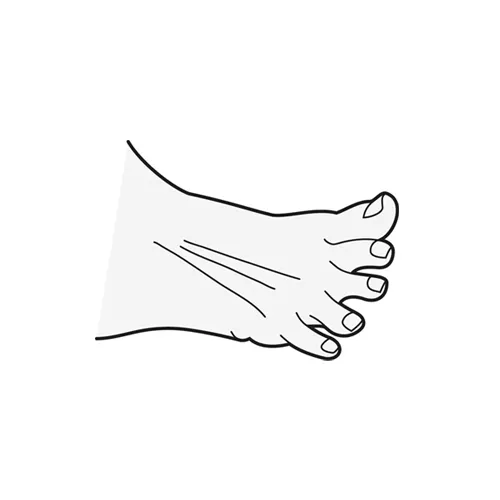
Toe muscle control can be enhanced by performing the toe splay exercise. Depending on which foot feels more comfortable, people can perform it on both feet simultaneously or alternately.
To complete this task:
- Place your feet softly on the floor while sitting in a chair with a straight back.
- Without straining, spread the toes as widely apart as you can. For five seconds, maintain this posture.
- Do this ten times.
- A person can try wrapping a rubber band around their toes after their strength has increased. This will increase the exercise’s difficulty by adding resistance.
Toe Curls
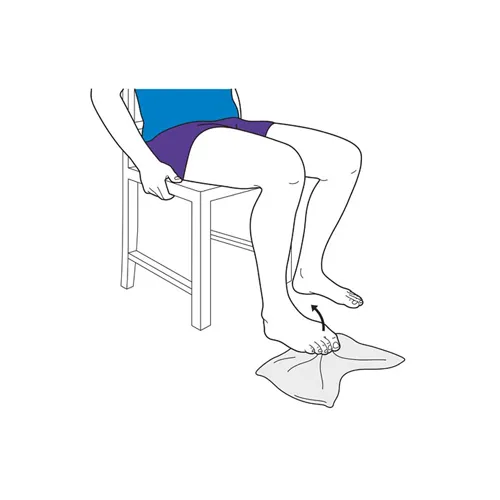
Toe curls strengthen the flexor muscles in the feet and toes, increasing general strength.
To complete this task:
Sit on the chair and put a towel under your feet. With your toes, curl the towel.
Marble Pickup
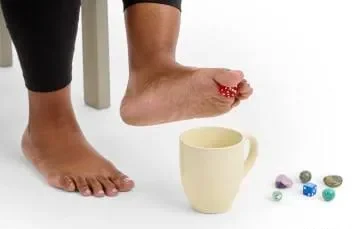
The muscles on the undersides of the feet and toes can become stronger by performing the marble pickup.
- To complete this task:
- Put a bowl of 20 marbles and an empty bowl on the ground in front of your feet.
- Pick up each marble with just one foot’s toes and put it in the empty bowl.
- Use the opposite foot to repeat this practice.
Sand Walking

The feet and calves can be strengthened and stretched by walking barefoot on sand. The soft texture of the sand makes walking more physically taxing; therefore, this is a good exercise in general.
To complete this task:
- Go to a volleyball court, a beach, a desert, or any other place where there is sand.
- Take off your socks and shoes.
- Walk for as long as you can. To prevent overusing the calf and foot muscles, try gradually increasing the distance.
Home Remedies for Foot Pain
For mild foot pain, simple home-care measures may provide relief. Rest from activities that aggravate the symptoms and elevate the foot if swelling is present. A cold pack wrapped in a towel can be applied for about 15–20 minutes when pain or swelling occurs.
Gentle stretching may help reduce stiffness. Wearing comfortable, supportive footwear can also reduce pressure on painful areas. Avoid walking barefoot on hard surfaces if this increases discomfort.
Ergonomic Care Of Foot Pain
Choose shoes that fit properly, provide adequate cushioning, and offer appropriate support for your activity. Avoid shoes that are too tight, narrow, or worn out. If your work involves prolonged standing or walking, take regular breaks whenever possible.
Use an anti-fatigue mat when appropriate for prolonged standing. Maintain good posture and distribute your body weight evenly between both feet. During lifting or physical activities, use proper body mechanics and avoid sudden movements that place excessive stress on the feet.
Prevention Of Foot Pain
Regular foot and ankle strengthening and flexibility exercises can help maintain healthy movement and stability. Always warm up before sports or strenuous activity and increase exercise intensity gradually. Wear activity-appropriate footwear and replace shoes when they become excessively worn. Maintain a healthy body weight to reduce excessive load on the feet.
Be cautious when walking on uneven, wet, or slippery surfaces. Avoid suddenly increasing running, walking, or exercise volume. Maintain good foot hygiene and check your feet regularly, particularly if you have conditions that can affect foot sensation or circulation. Address chronic pain early instead of repeatedly performing activities that make symptoms worse.
If foot pain is severe, follows a significant injury, causes deformity, significant swelling, numbness, or difficulty bearing weight, seek professional medical assessment.
FAQs
What is the best way to relieve foot pain?
The best way to relieve foot pain depends on the cause, but home treatments like rest, ice, and stretching usually provide fast, effective relief.
Immediate Relief Procedures
Rest and Ice: Stop the activity causing the pain and apply an ice pack or a frozen water bottle rolled under the foot for 15 to 20 minutes.
Gentle Stretching: Pull your toes toward your shin or stretch your calves against a wall to release tension in your arch and lower leg.
Relief Over-the-Counter: Use anti-inflammatory medications such as ibuprofen, or apply menthol creams topically for localized relief.
Long-Term Care Assistance
Supportive Footwear – Wear shoes with thick cushioning and strong arch support. Avoid walking barefoot on hard floors.
Shoe Inserts – Gel pads or custom orthotics absorb shock and promote correct alignment.
What vitamin deficiency causes foot pain?
The most frequent dietary causes of foot discomfort are vitamin B12 and vitamin D.
What diseases start with foot pain?
The first sign that the whole body suffers from systemic, inflammatory, or nerve diseases is often foot pain.
Systemic Diseases and Inflammation
Gout: A type of arthritis that is painful and often starts as sudden, severe pain, redness, and swelling in the joint of the big toe.
Peripheral Artery Disease (PAD): Narrowed arteries limit blood flow to your limbs,s often beginning with cramping, tiredness, and foot pain while walking.
Nerve and Metabolic Disorders
Diabetic Neuropathy: High blood sugar can cause nerve damage, often starting in the feet with tingling, numbness, or sharp burning pain.
Tarsal Tunnel Syndrome: A condition where a nerve within the ankle is pinched, resulting in shooting pain, burning,g or numbness on the bottom of the foot.
Morton’s neuroma. Thickening of tissue around a nerve that goes to your toes. Causes a feeling of stepping on a pebble in the ball of your foot.
Mechanical and structural conditions
Plantar Fasciitis – Inflammation of the thick band of tissue that runs across the bottom of the foot and causes sharp heel pain, especially with the first steps in the morning
Achilles Tendonitis: Inflammation of the tendon that attaches the calf to the heel, causing pain in the back of the foot.
Bunions and Hammertoes: Bumps of bone at the base of the toes or structural alignment problems caused by pressure or genetics.
What are the initial symptoms of diabetes in the feet?
Nerve Red Flags (Neuropathy)
Tingling: A “pins and needles” sensation in your toes or the balls of your feet.Burning: A warm sensation, as if your feet are resting on a hot surface.
Numbness: A slight loss of feeling, making it hard to feel hot, cold, or pain.
Circulation and Skin Changes
Dry skin: Overly dry Heels, peeling, or cracked skin.
Cold feet: Feet that are unusually cold because of reduced blood flow.
Discoloration. Pale, red, or blue skin.
Swelling: Ankle or foot puffiness that dimples when compressed.
Infections and Sores
Small cuts, blisters, or scratches that take a long time to heal are examples of slow healing.
Fungal problems: Thick yellow toenails or athlete’s foot are examples of frequent fungal infections.
How to relieve foot pain in 30 seconds?
You can alleviate acute foot pain in 30 seconds with a targeted toe pull stretch or a quick self-massage.
30 Second Relief Techniques You Can Try Now
The Plantar Fascia Toe Stretch: Sit, cross the painful foot over the opposite knee, grab the toes with one hand,d and gently pull them back toward the shin until a deep stretch is felt in the arch. Hold this for 15 to 30 seconds.
Quick Ball Roll: Put a tennis ball, golf ball, or frozen water bottle under your foot. With moderate pressure, roll your arch and heel back and forth over the tight connective tissue for 30 seconds.
Ankle Rolls: Start in either a seated or a standing position and proceed to rotate your ankles in a clockwise direction for 15 seconds,s followed by a counter-clockwise rotation for another 15 seconds so as to increase the blood flow in your ankles and reduce stiffness.
Toe Extensions: Spread out your toes as much as you can in a straight line and hold for 5 seconds, and continue the pulsing activity for as long as 30 seconds in order to alleviate any tightness or cramps in your feet.
What drink is good for foot pain?
Water is the most effective treatment for pain in your feet that stems from swelling, dehydration, or poor circulation.
Other Drinks That Can Help:
Water: It eliminates salt from the body and reduces foot swelling.
Tart Cherry Juice: It reduces uric acid levels in the body. Thus, it relieves us of pain in the joints and toes caused by gout.
Ginger or Turmeric Tea: It has strong anti-inflammatory properties; therefore, it alleviates tissue swelling and joint stiffness.
Chamomile Tea: It relaxes the body and helps to relieve nerve pain at night.
Green Tea: It provides us with antioxidants called catechins that help lower inflammation and stress.
Coconut Water: It gives us natural potassium and electrolytes, which prevent cramps and fluid retention.
How do you sleep with foot pain?
The best way to relieve foot pain is by sleeping on one’s back with a slight pillow placed under the knees and keeping the feet positioned straight ahead.
Preferred Position
Back Sleeping (Supine Position): By lying down on one’s back, the spine and nerves stay aligned. For maximum relaxation, a pillow should be used underneath the knees to relieve the stress in the calf muscles. A small pillow or a rolled towel can be placed underneath the ankles or heels to prevent them from pointing downwards.
Side Sleeping: The person should lie on his/her left or right side with a hard pillow kept between the knees and lower legs to keep the hips and ankles in alignment. Proper support must be provided for the feet in case they touch each other or the mattress in a painful manner.
Positions to Avoid
Stomach Sleeping: The action of lying face down causes the feet and the ankles to turn downwards or twist under the body. This posture can tighten the plantar fascia and the Achilles tendon, leading to discomfort in the heels in the morning.
Unpropped pointing: For extended time periods, allowing your feet to hang over the end of the mattress or into the sheets causes stiffness in the lower leg tissues.
Methods for relief
Light blankets: Weighty bedding tucked in snugly at the foot creates pressure on your feet. You should use a light, loose blanket or allow your feet to remain uncovered.
Night splints: In cases of serious heel pain or plantar fasciitis,s a physician might recommend a night splint that will keep the foot at a resting angle of 90°.
Gentle stretching: Make sure to stretch your calves and arches before going to bed.
References
- 13 Exercises to relieve foot and ankle pain. (2024, June 11). Dr. Mahesh Bagwe. https://www.drmaheshbagwe.com/blog/13-exercises-to-relieve-foot-and-ankle-pain/?bp=41180
- Axtell, B. (2018, February 27). 9 foot exercises to try at home. Healthline. https://www.healthline.com/health/fitness-exercise/foot-exercises
- Cadman, B. (2025, May 6). Best stretches and exercises for healthy feet. https://www.medicalnewstoday.com/articles/320964
- Department of Health & Human Services. (n.d.). Feet – problems and treatments. Better Health Channel. https://www.betterhealth.vic.gov.au/health/conditionsandtreatments/feet-problems-and-treatments
- Exercises for the toes, feet and ankles. (n.d.). Arthritis UK. https://www.arthritis-uk.org/information-and-support/living-with-arthritis/health-and-wellbeing/exercising-with-arthritis/exercises-for-healthy-joints/exercises-for-the-toes-feet-and-ankles/
- Foot pain: MedlinePlus Medical Encyclopedia. (n.d.). https://medlineplus.gov/ency/article/003183.htm
- Harvard Health. (2020, January 21). 7 ways to fix foot pain. https://www.health.harvard.edu/healthbeat/7-ways-to-fix-foot-pain
- HealthPartners. (2025, October 29). 7 easy exercises to stop foot pain. HealthPartners Blog. https://www.healthpartners.com/blog/stop-foot-pain-seven-easy-exercises/
- Hospital for Special Surgery. (2024a, February 16). Foot pain causes, conditions, and treatments. https://www.hss.edu/health-library/conditions-and-treatments/list/foot-pain-causes
- Hospital for Special Surgery. (2024b, February 16). Foot pain causes, conditions and treatments. https://www.hss.edu/health-library/conditions-and-treatments/list/foot-pain-causes
- Michelle, T. (2026, June 11). Foot Pain Chart: What your pain location might mean. Andrews Institute. https://andrewsinstitutesc.com/foot-pain-chart-what-your-pain-location-might-mean/
- NHS Inform. (2026a, July 28). Exercises for foot problems | NHS Inform. NHS Inform. https://www.nhsinform.scot/illnesses-and-conditions/muscle-bone-and-joints/leg-and-foot-problems-and-conditions/exercises-for-foot-problems/
- Professional, C. C. M. (2026, May 6). Foot pain. Cleveland Clinic. https://my.clevelandclinic.org/health/symptoms/foot-pain