Hip Pain
Introduction
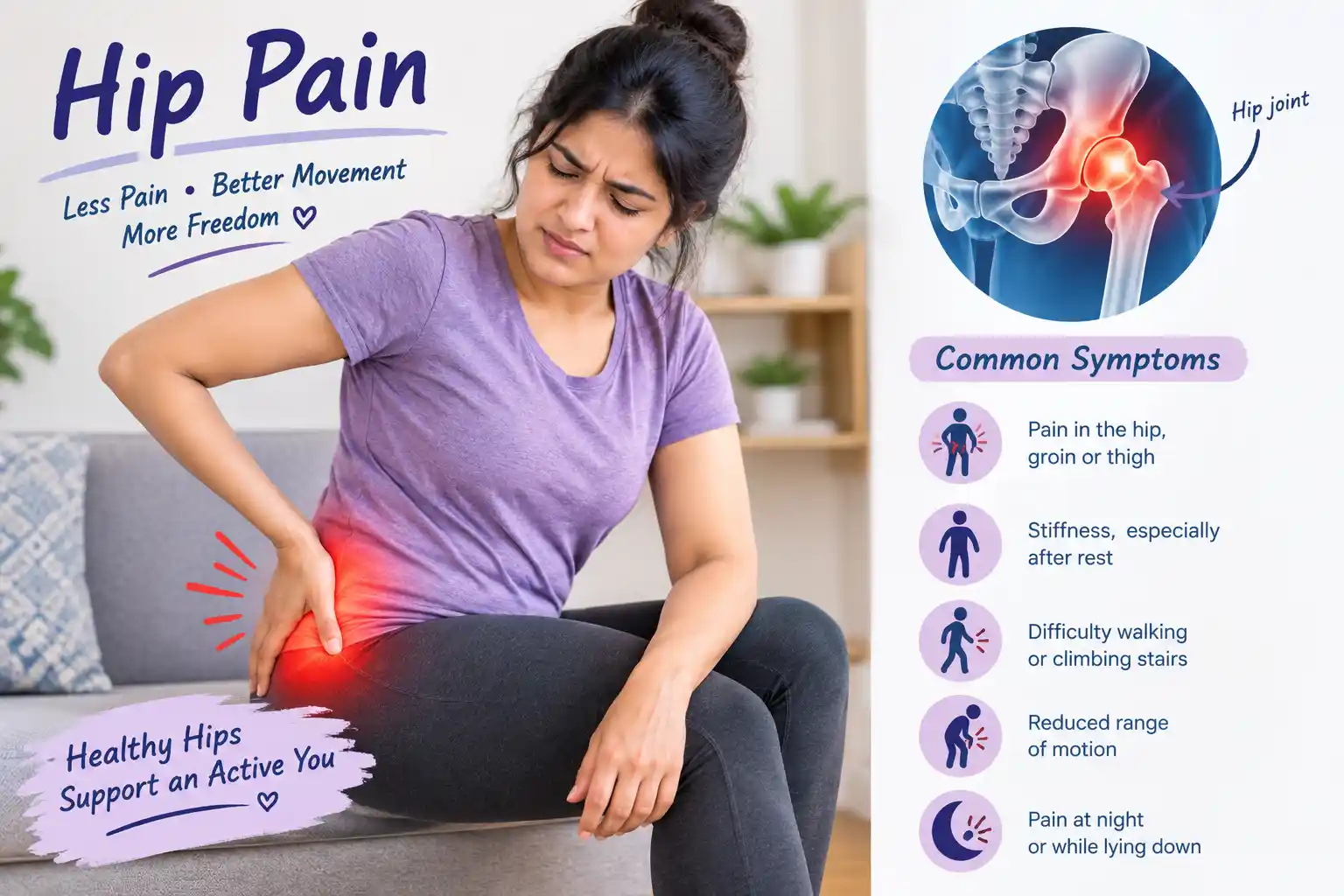
Hip pain is a common musculoskeletal problem that can affect people of different ages and activity levels. The hip is a major weight-bearing joint that connects the pelvis to the lower limb and plays an important role in walking, standing, running, climbing stairs, and many other daily activities. When the hip becomes painful or stiff, even simple movements can become difficult and may affect a person’s mobility, comfort, and quality of life.
Hip pain can develop suddenly after an injury or gradually because of overuse, muscle weakness, poor movement patterns, or changes within the joint. Common causes include osteoarthritis, bursitis, tendon problems, muscle strains, sports injuries, and conditions affecting the surrounding muscles and soft tissues. Pain may be felt directly around the hip, in the groin, buttock, thigh, or sometimes the lower back.
These include increasing physical activity too quickly, repetitive movements, prolonged sitting, poor posture, previous injuries, muscle imbalance, and age-related changes. Maintaining an active lifestyle, strengthening the muscles around the hips and legs, and improving flexibility can help support normal hip function.
Mild pain may improve with appropriate activity modification, gentle exercises, stretching, and home-care measures. Physiotherapy can help improve hip mobility, strengthen the muscles around the hip and pelvis, correct movement problems, and gradually restore functional activities. In some cases, medical treatment or further investigations may be necessary.
Understanding the cause of hip pain and addressing symptoms early can help prevent worsening discomfort and loss of mobility. Regular exercise, good posture, proper body mechanics, healthy body weight, and appropriate footwear can all contribute to maintaining healthy hips and comfortable movement.
Symptoms Of Hip Pain
Discomfort in your:
- Thigh
- Inside the hip joint
- Groin
- Outside of the hip joint
- Butt
Causes Of Hip Pain
- Injuries
- Bursitis
- Dislocation: First aid
- Hip fracture
- Hip labral tear
- Inguinal hernia
- Sprains (and strains)
- Tendinitis
- Arthritis
- Juvenile idiopathic arthritis
- Osteoarthritis
- Psoriatic arthritis
- Rheumatoid arthritis
- Septic arthritis
- Pinched nerves
- Sacroiliitis
- Sciatica
- Cancer
- Bone metastasis (advanced cancer that has spread to the bones)
- Bone cancer
- Leukemia
- Other conditions
- Avascular necrosis (osteonecrosis)
- Fibromyalgia
- Legg-Calve-Perthes disease (in children)
- Osteomyelitis
- Osteoporosis
- Synovitis
Most common causes
Osteoarthritis. It is among the most frequent causes of hip discomfort, particularly among senior citizens. Additionally, your hip may have less range of motion. Find out more about osteoarthritis in the hips.
Fractures of the hip. Your bones may weaken and become brittle as you age, increasing the likelihood that they will break in a fall. This kind of damage or repeated stress can result in a hip fracture. Athletes frequently suffer from stress fractures. Study up on hip fractures.
Bursitis. Between tissues like bone, muscles, and tendons (which join muscles to bones), there are liquid sacs called bursae. When these tissues rub against one another, bursae reduce the friction. Inflammation of the bursae can result in pain. Repetitive actions that overwork or aggravate the hip joint are typically the cause of this. Find out more about hip bursitis.
Tendon irritation or inflammation is known as tendinitis. Find out more about the signs of tendinitis.
Strain on a muscle or tendon.
Hip labral tear. This issue is more likely to occur in athletes and those who engage in repetitive twisting motions. Find out more about labral tears in the hips.
Sciatica. On both sides, your sciatic nerve passes through your hip and buttocks. Hip pain can result from sciatica, also known as a pinched nerve, which occurs when a nerve is damaged or irritated.
How Is Hip Pain Diagnosed?
Your doctor will perform a physical examination to identify your hip pain. This could entail assessing your muscle strength, range of motion, and gait.
Depending on the examination and the kind of pain you’re experiencing, your doctor might also prescribe imaging tests like:
- X-ray
- MRI
- CT scan
- Ultrasound
Treatment Of Hip Pain
Medications for Hip Pain
An over-the-counter pain reliever like acetaminophen or a nonsteroidal anti-inflammatory medication like ibuprofen or naproxen can typically alleviate hip discomfort if it is caused by a strained muscle or tendon, osteoarthritis, or tendinitis.
Prescription anti-inflammatory therapies like corticosteroids, disease-modifying anti-rheumatic drugs (DMARDs) including sulfasalazine and methotrexate, and immune-system-targeting biologics are additional treatments for rheumatoid arthritis.
Physiotherapy Treatment Of Hip Pain
Exercise for Hip Pain
Leg raises (lying down)
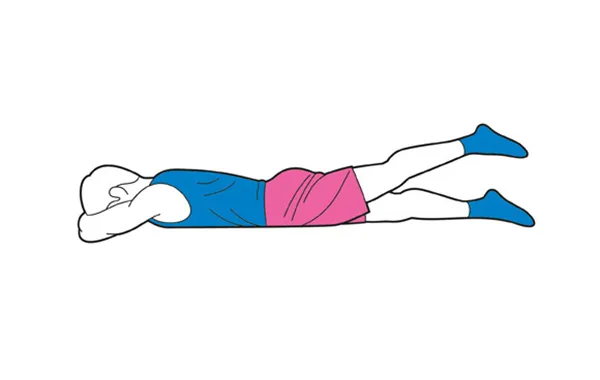
If it’s more comfortable, you may choose to move your head to one side while lying face down. Keeping your hips level on the ground, raise one leg slightly off the ground by tensing your buttocks and stomach. Repeat three times while maintaining this posture for five to ten seconds.
Bridging
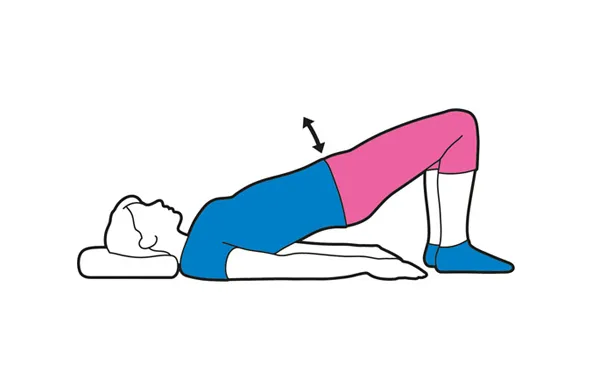
Bend your knees and place your feet flat on the floor or bed while lying on your back. Raise your pelvis and lift your back off the ground. After five seconds of holding the pose, slowly descend.
External hip rotation (sitting)

Bend your knees and place your feet together while you sit. When necessary, use your hands to push your knees toward the floor. As an alternative, spread your knees while keeping your feet together while lying on your back. Increase the movement until you get a stretch, then hold it for about ten seconds before letting go. Do this five to ten times.
If you recently had hip surgery, this might not be appropriate for you. If you’re not sure, see a medical expert.
External hip rotation (lying down)
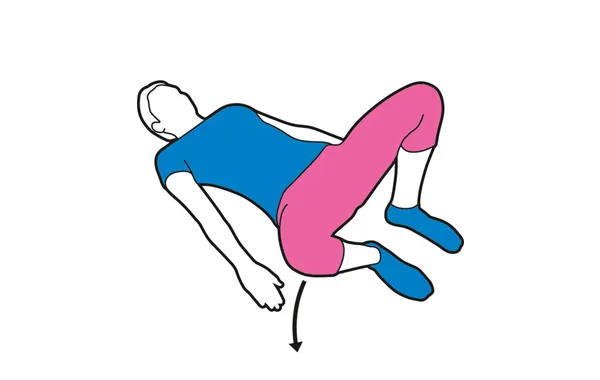
Place your feet flat on the bed, hip-width apart, and bend your knees. Drop one knee in the direction of the bed, then raise it again. Throughout, keep your back flat on the bed.
Heel slide
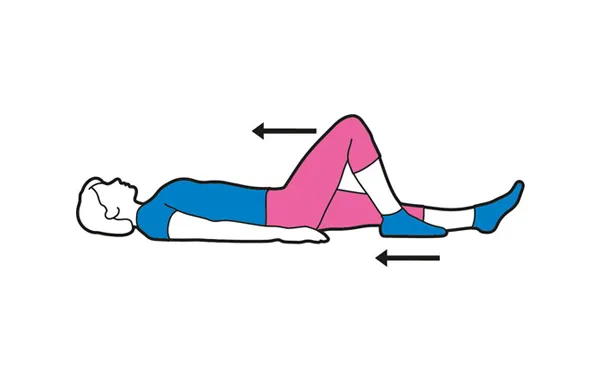
Lie down on your back. Slide your knee in the direction of your chest while bending your leg. Slowly straighten your knee and slide your heel down once again.
Hip flexion (standing)

Hold onto a work surface while you march on the spot, alternatively bringing your knees up to your chest. It’s possible that your physiotherapist will advise against lifting your knee above hip level.
Hip extension
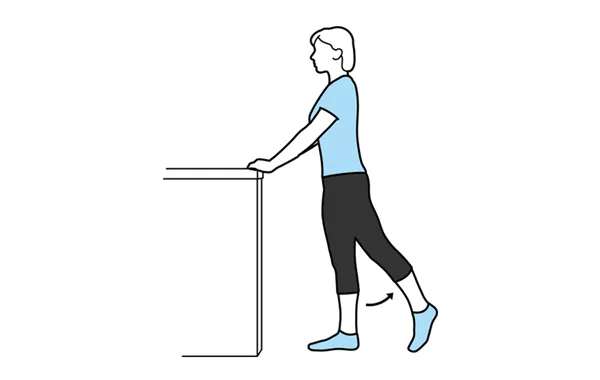
Retract your leg while maintaining a straight knee. For five seconds, tightly clench your buttocks. Avoid bending forward. Continue with the opposite leg. For stability, hold onto a chair or work desk.
Hip abduction (standing)
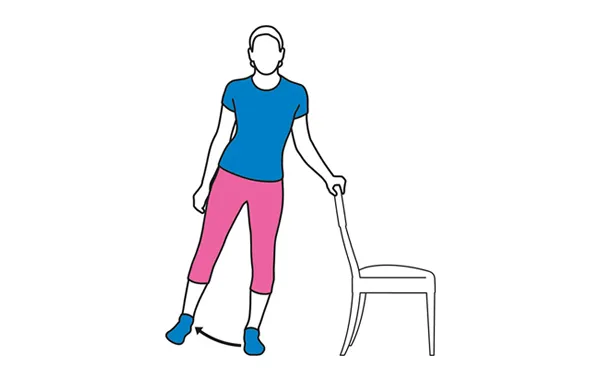
For support, place one hand on the back of a chair or a work desk while standing. Raise your leg straight up to the side. After five seconds of holding, drop your leg gradually. Throughout, try to maintain a straight body.
This exercise can also be performed while lying sideways.
Heel to buttock
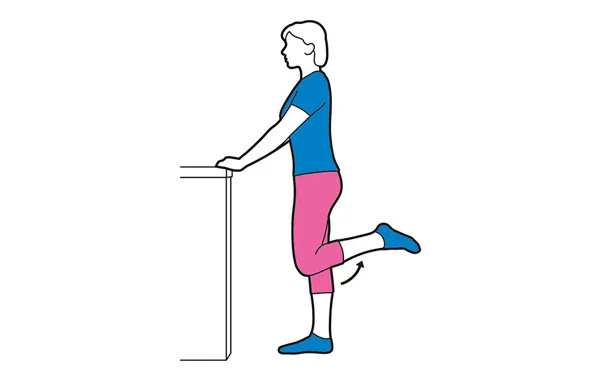
Standing on one leg. Maintain a straight line between your knees and point your kneecap downward.
Squats
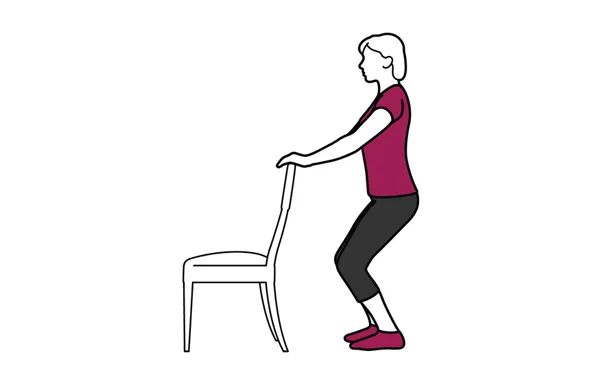
For stability, hold onto a chair or work desk. Your kneecap should be exactly above your big toe as you squat. Go back to standing like you usually do.
Continue until you are unable to continue, take a minute to recover, and then repeat twice more. Try squatting a bit more as you get better, but avoid bending your knees past a right angle.
Short arc quadriceps exercise
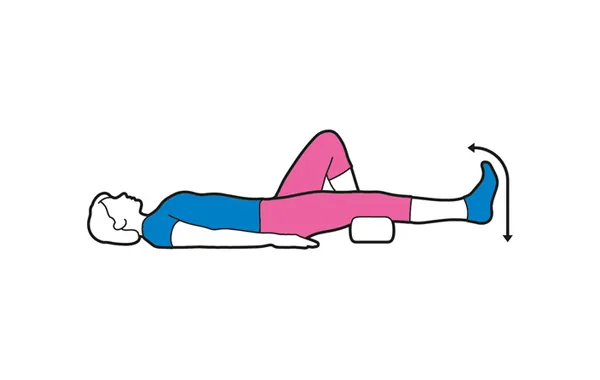
Lie down on the floor. Put a towel under your knee after rolling it up. Keep your feet towards you. After five seconds of holding, gradually descend.
Quadriceps exercise
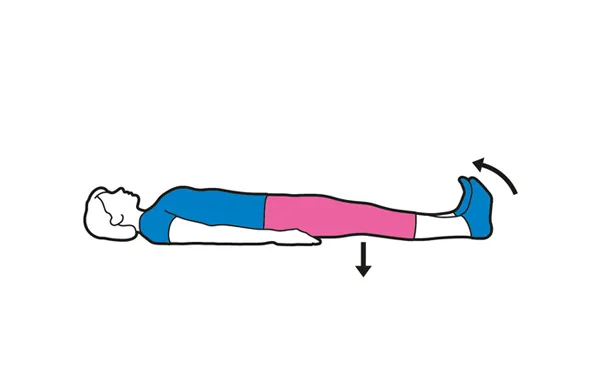
Keeping your leg straight and pressing your knee firmly into the floor, pull your ankles and toes toward you. The front of your leg should feel snug. After five seconds of holding, let go. If it is more comfortable for you, you can also perform this exercise while seated.
Stomach exercise
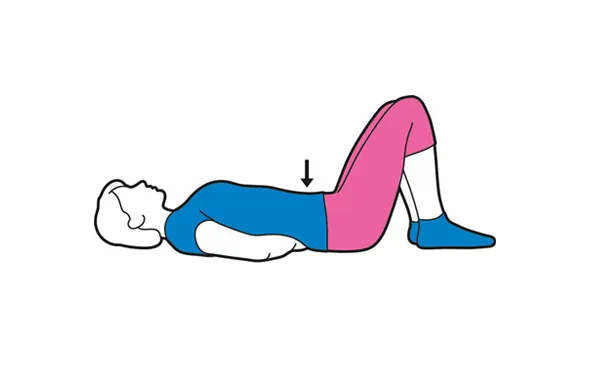
Bend your knees and lie on your back. Pull your belly button toward the floor or bed while placing your hands beneath the small of your back. For 20 seconds, hold.
Knee lift hip stretch
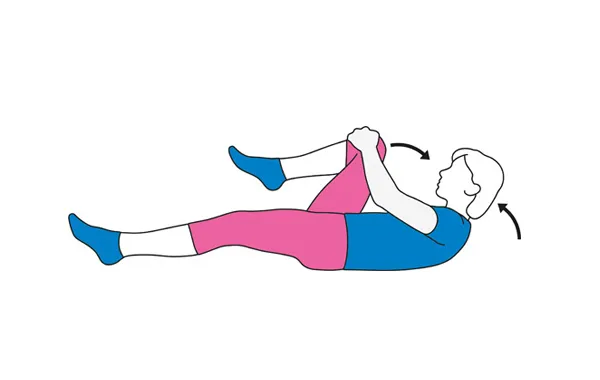
Lie down on your back. Keeping the opposite leg straight, pull each knee to your chest in turn. Increase the movement until you get a stretch, then hold it for about ten seconds before letting go. Do this five to ten times. If this is challenging, start by sliding your heel along the floor in the direction of your bottom. Once this is comfortable, try raising your knee.
Home remedies for hip pain
The RICE approach. The word for rest, ice, compression, and elevation is RICE.
- Take a nap. Make every effort to give your hip some rest.
- Ice. Several times a day, apply ice to the area for fifteen minutes or so.
- Compression. Try wearing shorts that provide pressure on your hips or a compression wrap.
- Elevation. Use pillows, for example, to raise your hips above the level of your heart.
- Warmth. Taking a warm bath or shower can help ease pain and get your muscles ready for stretches.
Surgeries for Hip Pain
If you suffer a hip fracture, deformity in the hip joint, or severe osteoarthritis that causes excruciating pain, your doctor may suggest surgery.
Hip arthroscopy is the most popular surgical procedure for hip discomfort.
Arthroplasty is the term for a hip replacement procedure. It entails getting an artificial hip replacement. If your hip pain prevents you from standing, walking, or moving about, you may require a hip replacement.
Alternative treatment for hip pain
Acupuncture. Tiny needles are inserted into your skin during the traditional Chinese medical procedure known as acupuncture. Acupuncture may help lessen hip pain and inflammation, despite a shortage of clinical studies on the subject. It is occasionally used in conjunction with other therapies.
Chiropractic care. By manually manipulating your spine, chiropractors can enhance its alignment. Adjustments can lessen the strain on the hip joint because spinal misalignments are occasionally associated with hip pain.
Ergonomic Care Of Hip Pain
Good posture and proper body mechanics can reduce unnecessary stress on the hip joint and surrounding muscles. While sitting, choose a supportive chair and keep both feet comfortably supported on the floor. Avoid sitting with your legs crossed or in very low chairs for long periods if these positions increase discomfort. When standing for a long time, distribute your weight evenly between both legs and avoid leaning continuously to one side.
During lifting or bending, bend from the hips and knees while keeping your back in a comfortable position rather than repeatedly bending from the waist. If your work involves prolonged sitting, take regular movement breaks and perform gentle hip movements. Use supportive footwear, particularly when walking or standing for extended periods. Arrange frequently used items within easy reach to avoid repeated awkward movements.
Prevention Of Hip Pain
Hip pain can often be reduced by maintaining regular physical activity and keeping the muscles around the hips, pelvis, and legs strong and flexible. Include low-impact activities such as walking, cycling, swimming, or appropriate strengthening exercises in your routine. Always warm up before exercise and increase the intensity gradually.
Maintaining a healthy body weight can help reduce excessive load on the hips during standing and walking. Pay attention to your posture during sitting, standing, and daily activities. Avoid suddenly increasing exercise duration or intensity, especially if you have been inactive for a long time.
Wear comfortable, supportive footwear and take adequate rest after strenuous activities. If you participate in sports, learn and use proper movement techniques. Address minor pain early instead of repeatedly performing activities that aggravate it. Regular strengthening, flexibility exercises, and good movement habits can help maintain hip mobility and support long-term joint health.
FAQs
How to get relief from severe hip pain?
Nonprescription drugs such as NSAIDs, in conjunction with RICE (rest, ice, compression, elevation) methods, can help alleviate acute hip pain.
Home Remedies
Rest: Do not put weight on the painful hip, and stop any activities causing discomfort.
Ice and Heat: Apply an ice pack wrapped in a towel for as long as it takes to relieve swelling. After two days, a warm compress can also help ease tight muscles.
Pain Relievers: NSAIDs such as ibuprofen and naproxen can alleviate swelling.
Gentle Movement: Gentle stretching like knee-to-chest exercises or hip flexor stretches can also help once the pain has diminished considerably.
Medical Treatment
Physical therapy: Your therapist may recommend specific exercises to strengthen and stabilize your pelvis and gluteus muscles.
Injections: Corticosteroid injections can help relieve severe joint swelling and pain related to bursitis.
Surgery: Surgery such as hip replacement may be required if conservative approaches are unsuccessful in treating persistent and severe pain that inhibits functioning.
How to explain hip pain?
Hip pain can be defined as discomfort felt in your hip joint, although its nature would also depend on the location of the pain in your hip.
It largely reveals the cause of the hip pain:
Groin or inner hip
Meaning: Issues usually occur in and around the hip joint.
Common causes: Arthritis (like osteoarthritis) or a labral tear (damage to the cartilage)
Outside hip, thigh, or buttock
Meaning: Problems are usually related to the soft tissues (muscles, tendons, or bursae) surrounding the hip joint.
Common causes: Bursitis (the inflammation of the fluid-filled sac), tendinitis, or muscle strain.
Lower back or distant rear side
Meaning: The pain is sometimes referred to as the cause of pain being located in the lower back or sacroiliac joint.
Common causes: Sciatica, pinched nerve, or herniated disk.
What is the most common hip problem?
The most prevalent hip condition is arthritis, particularly osteoarthritis, in which body joints lose their cartilage and become painful, rigid, and stiff.
How to check hip pain?
For the purpose of judging the condition of the hip, a medical examination should include observing how the patient walks, measuring the range of motion of the affected area, and doing some movements in order to find the problem.
Will hip pain go away with exercise?
Hip pain may be treated with physical activity in cases where muscle weakness, limited movement, or mild osteoarthritis are causing it.
Physical activity allows you to improve the muscle strength surrounding the joint, stimulate blood circulation, and minimize the stiffness of the joint, but it can make the condition worse in cases of serious trauma, fracture, and inflammation.
When Physical Activity is Beneficial
When muscles are tense: Light stretches of hip flexors and glute muscles may help them relax;
When there is weakness in the body: strengthening the core and glutes might relieve pressure from the hip;
In case of arthritis: Regular movements (with low intensity) may keep the joint flexible and reduce pain in the long run.
Exercises for Not Experienced People
Bridge: Lie down on your back with bent knees up and lift hips;
Clamshells: Lie on your side with legs together, then raise the upper knee;
Gentle stretching: Perform the figure-four stretch to reduce pressure in the hip area.
When to Go to the Doctor
Put an end to your exercises if you have:
Sharp pain due to an injury;
Inability to put weight on an injured limb;
Signs of infection such as fever or redness.
References
- 7 common causes of hip pain. (n.d.). Rush. https://www.rush.edu/news/7-common-causes-hip-pain
- Ahuja, V., Thapa, D., Patial, S., Chander, A., & Ahuja, A. (2020). Chronic hip pain in adults. Journal of Anaesthesiology Clinical Pharmacology, 36(4), 450–457. https://doi.org/10.4103/joacp.joacp_170_19
- Burtka, A. T., & Watson, S. (2026, June 9). Hip pain: causes and treatment. WebMD. https://www.webmd.com/pain-management/hip-pain-causes-and-treatment
- Chamberlain, R. (2021, January 15). Hip pain in Adults: Evaluation and Differential diagnosis. AFP. https://www.aafp.org/afp/2021/0115/p81
- Cronkleton, E. (2025, July 3). 14 Exercises for strengthening and increasing mobility in the hips. Healthline. https://www.healthline.com/health/hip-exercises
- Exercises for the hips. (n.d.). Arthritis UK. https://www.arthritis-uk.org/information-and-support/living-with-arthritis/health-and-wellbeing/exercising-with-arthritis/exercises-for-healthy-joints/exercises-for-the-hips/
- Healthdirect Australia. (n.d.). Hip pain. Healthdirect. https://www.healthdirect.gov.au/hip-pain
- Hip pain. (n.d.). Arthritis UK. https://www.arthritis-uk.org/information-and-support/understanding-arthritis/conditions/hip-pain/
- Lillis, C. (2025, August 13). Exercises and stretches for hip pain. https://www.medicalnewstoday.com/articles/325029
- NHS Inform. (2026, July 28). Exercises for hip problems | NHS Inform. NHS Inform. https://www.nhsinform.scot/illnesses-and-conditions/muscle-bone-and-joints/leg-and-foot-problems-and-conditions/exercises-for-hip-problems/
- Professional, C. C. M. (2026, April 23). Hip pain. Cleveland Clinic. https://my.clevelandclinic.org/health/symptoms/21118-hip-pain
- Spire Healthcare. (n.d.). Hip pain symptoms, causes & treatment | Spire Healthcare. https://www.spirehealthcare.com/symptoms/hip-pain/
- Surgery, H. F. S. (2025, January 3). Hip pain causes, conditions and treatments. Hospital for Special Surgery. https://www.hss.edu/health-library/conditions-and-treatments/list/hip-pain-causes
- Van Thiel MD. (2024a, April 12). Orthopedic blog | Dr. Geoffrey Van Thiel. Dr. Geoffrey Van Thiel. https://www.vanthielmd.com/blog/7-common-causes-of-hip-pain–treatment-options/?bp=39907
- Van Thiel MD. (2024b, April 12). Orthopedic blog | Dr. Geoffrey Van Thiel. Dr. Geoffrey Van Thiel. https://www.vanthielmd.com/blog/7-common-causes-of-hip-pain–treatment-options/?bp=39907